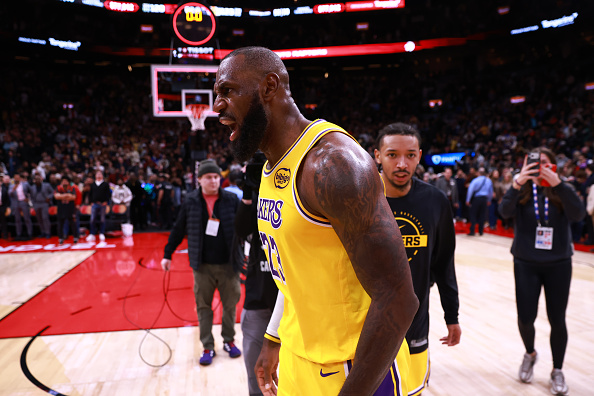
On a cold Thursday night in Toronto, the world watched as Los Angeles Lakers superstar LeBron James saw his double-digit scoring streak snapped in spectacular fashion.
Eighteen years. Nearly 1,300 games. A streak that stretched longer than most NBA careers. And it didn’t end with a desperate heave to protect a perfect milestone, no, it ended with a simple, selfless pass to the corner. It ended the only way LeBron James would ever let it: by making the right basketball play.
James found teammate Rui Hachimura wide-open in the left corner for a buzzer-beating three-pointer that snapped the streak, but handed the Lakers a 123-120 victory over the Raptors just as the horn echoed across Scotiabank Arena.
RUI CALLS GAME!!!#LakeShow pic.twitter.com/kXbhOSoqMS
— Spectrum SportsNet (@SpectrumSN) December 5, 2025
LeBron could’ve forced it. Could’ve hunted those last two points the way legends often do when history is on the line. But he chose the play that wins games, not the one that preserves streaks. And in a way, that decision felt like a storybook callback to the world when he was a 22-year-old phenom, on the precipice of leading his hometown Cleveland Cavaliers to their first ever NBA Finals appearance.
The date was January 5, 2007, the last time LeBron James finished a game in single digits, a rare off night for The King that saw him score just eight points on 3 of 13 shooting in Milwaukee against the Bucks.
For context, the leading scorer on the Cavs that night was Drew Gooden, and Michael Redd led Milwaukee with 26 points. When was the last time you heard those two names?
Back then, everything looked different. The league. The country. The entire digital universe we now take for granted. So before this moment gets swallowed by the constant churn of NBA storylines, let’s pull the lens back and revisit the world LeBron last saw before his scoring streak took flight—ten snapshots of early 2007, frozen in amber, like postcards from a different planet.
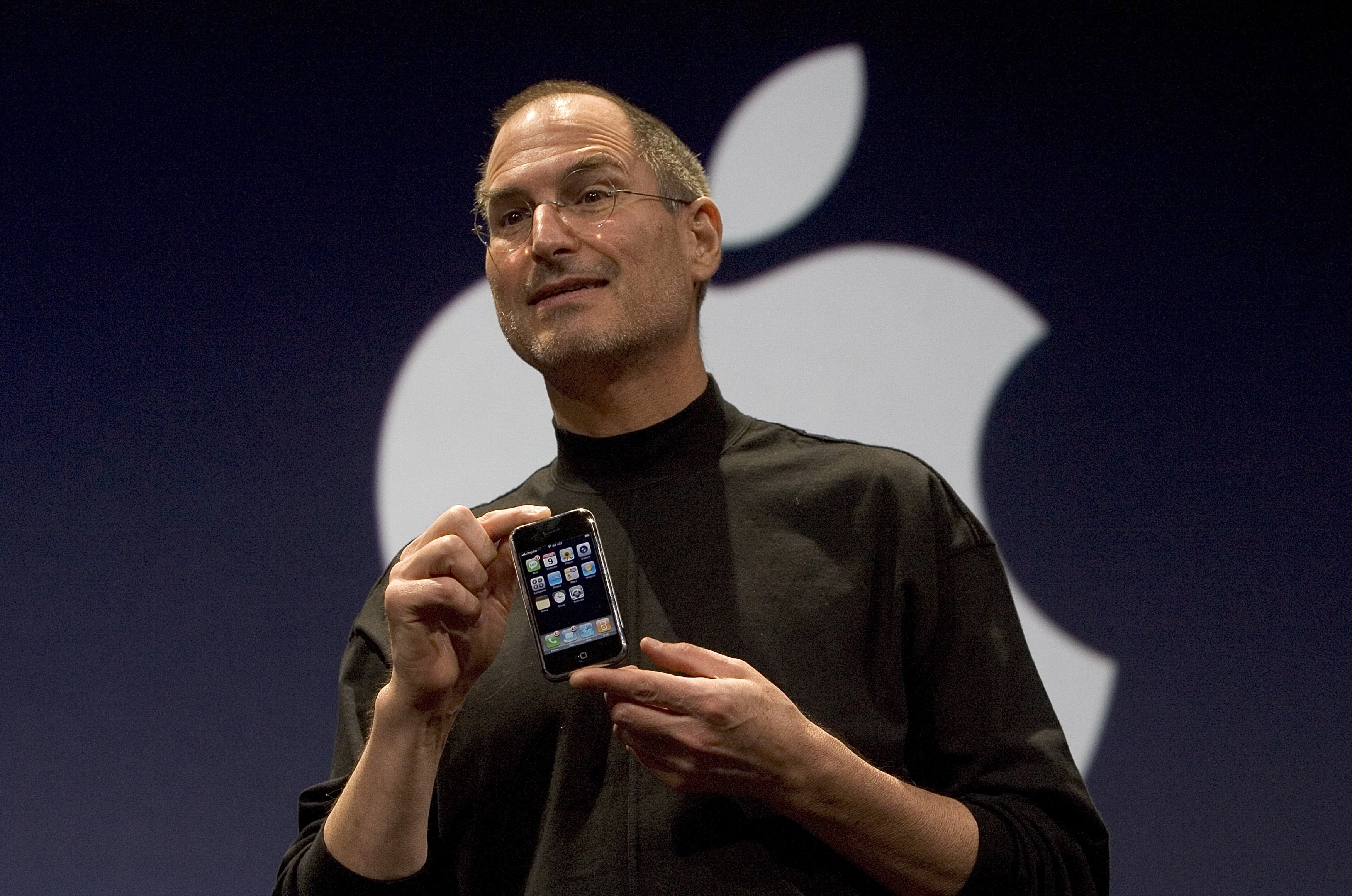
1. Apple unveiled the first iPhone — the device that reshaped modern life.
Before we were swiping, streaming, scrolling, the iPhone was just an audacious idea Steve Jobs held in his hand for the first time. A touchscreen phone felt like science fiction. No one imagined it would rewrite communication, culture, and commerce. LeBron was still flipping open a Motorola, unaware that the world’s new scoreboard would soon fit in a pocket.
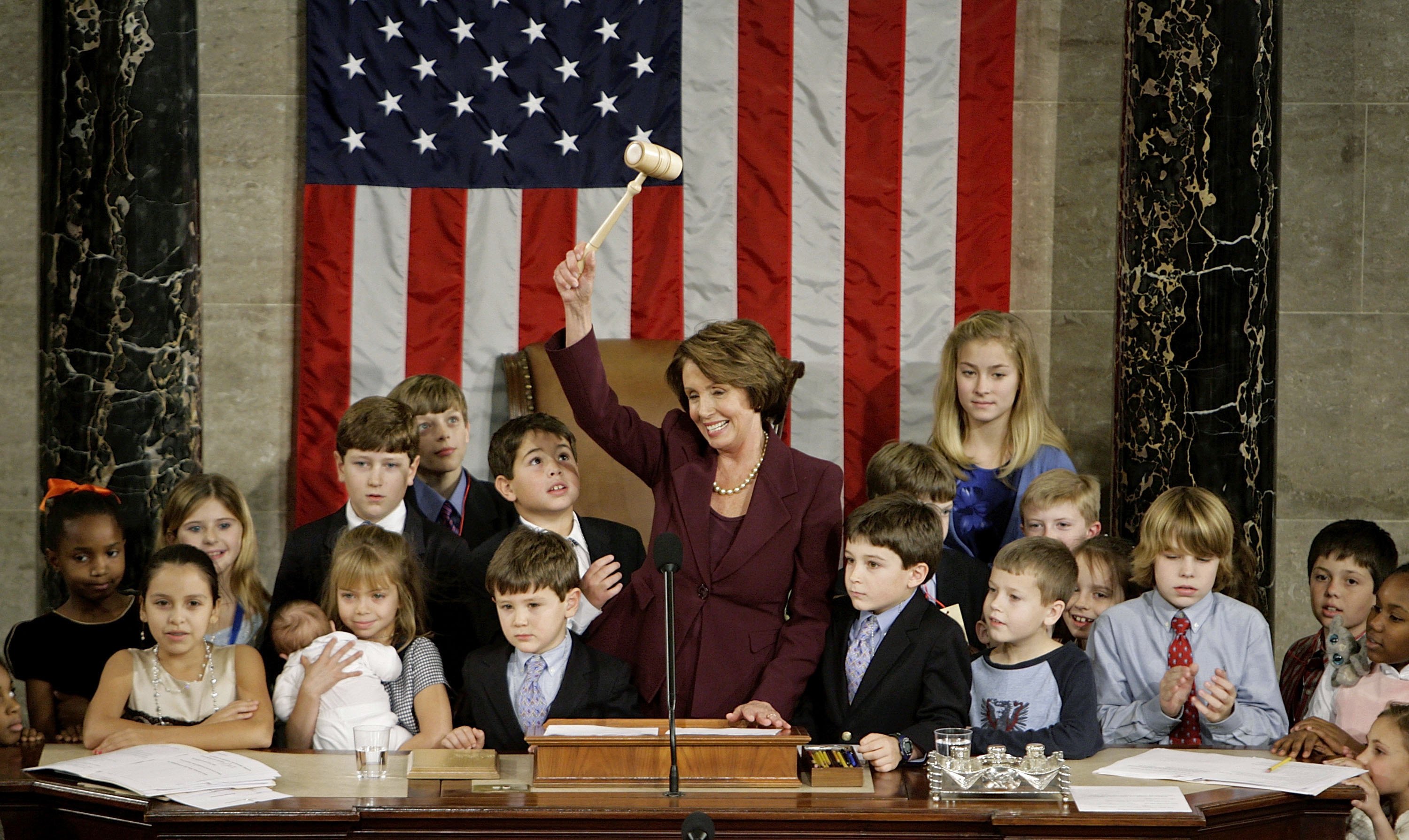
2. Nancy Pelosi shattered one of America’s oldest glass ceilings.
When Pelosi became the first female Speaker of the House, it marked a seismic moment in U.S. political history. A shift in power. A shift in possibility. Her ascent echoed across the country like a reminder that barriers can fall—sometimes suddenly, sometimes stubbornly, but never without consequence.
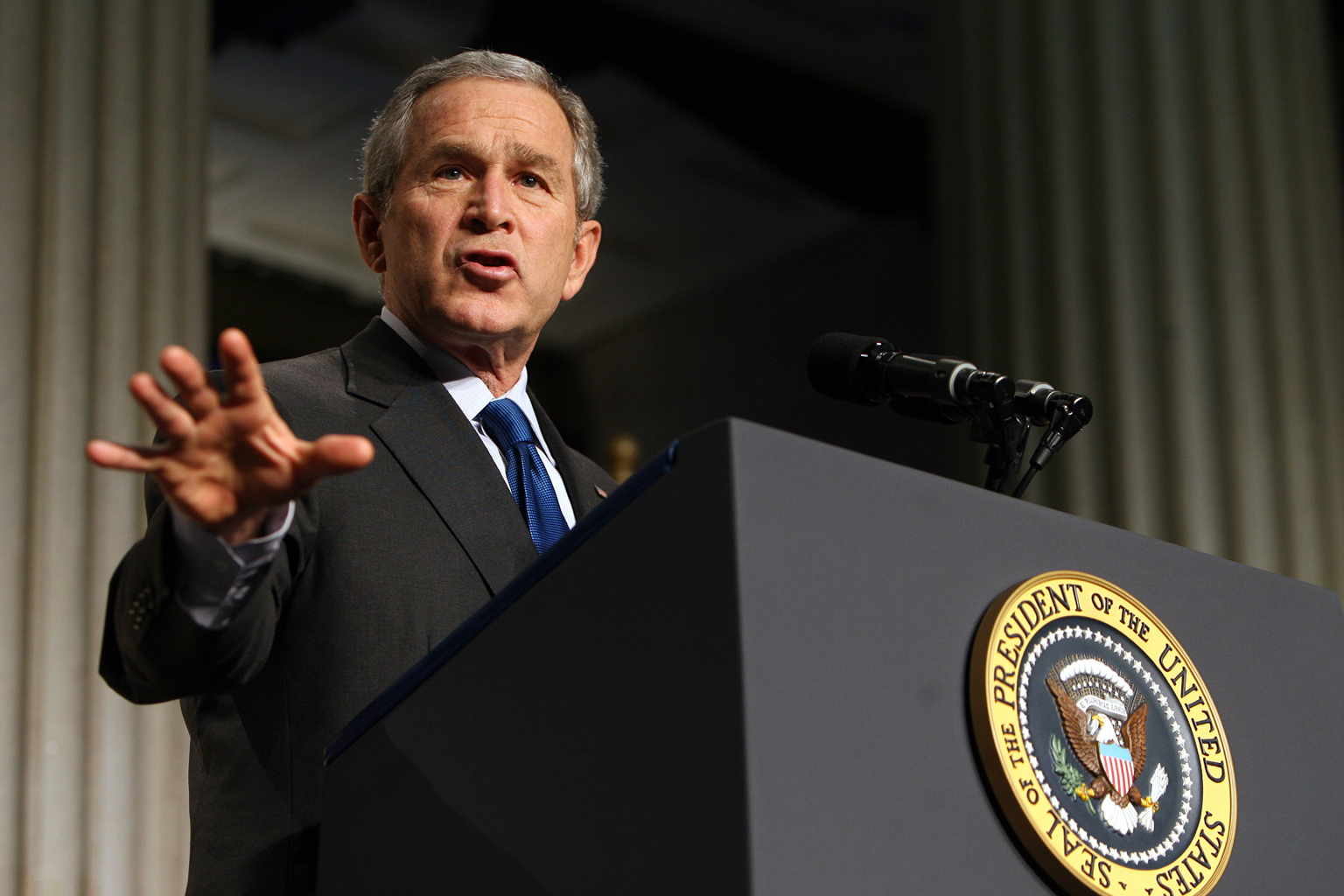
3. George W. Bush was midway through his second term.
A different era. A different climate. The decisions of that administration, from foreign policy to domestic affairs, shaped debates that would ripple for years. The White House looked very different then—so did the global stage LeBron would eventually command far beyond basketball.
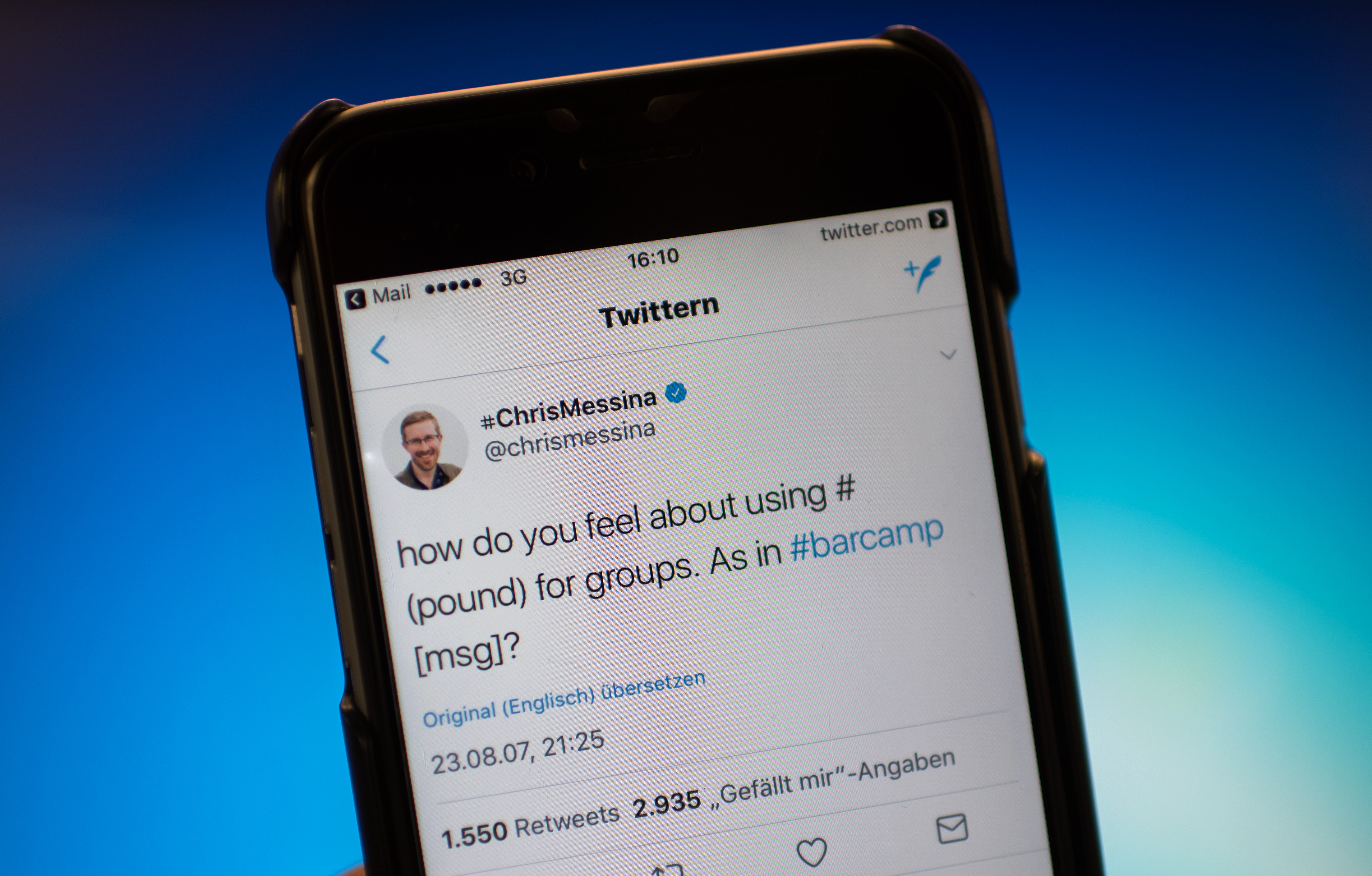
4. Twitter launched, Facebook opened to everyone, and Google acquired YouTube.
A trifecta that changed how the world speaks, argues, creates, and remembers. Social media was no longer a digital neighborhood—it became a nation. Back then, the idea of LeBron tweeting highlights or dropping IG stories felt almost impossible. Today, those platforms help define athlete storytelling and global culture.
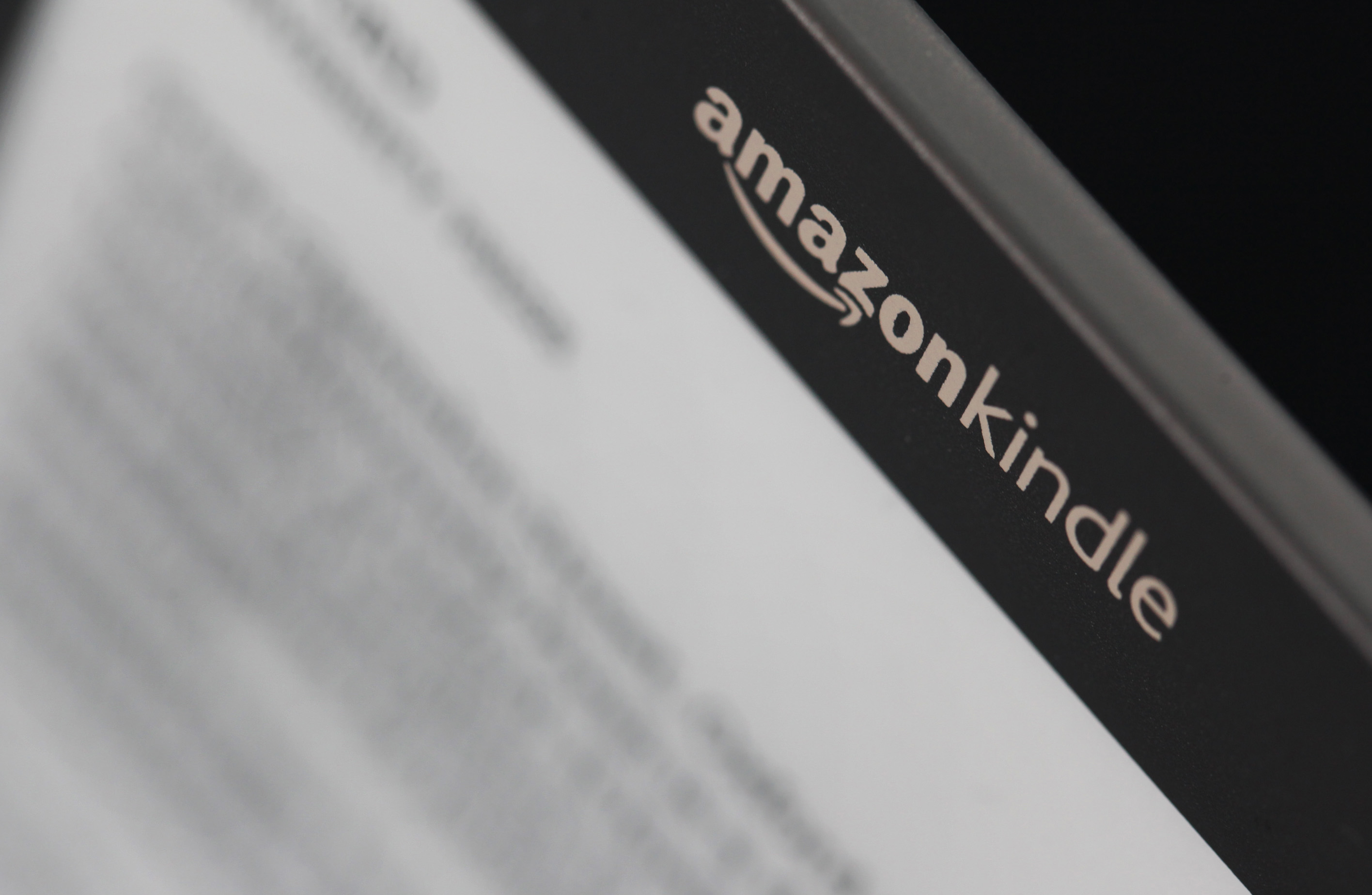
5. Amazon introduced the Kindle, igniting the e-book revolution.
A thin gray screen, a library in your hand. It seemed like a quirky tech experiment at the time. Instead, it flipped publishing inside out. Readers, writers, and entire industries shifted orbit. Innovation wasn’t just coming—it was accelerating.

6. The Iraq War consumed headlines and households.
Every news broadcast. Every front page. Every political conversation. It shaped an entire generation’s understanding of conflict, sacrifice, and uncertainty. It was the kind of moment that made sports feel like both an escape and a reminder of the real world just beyond the arena doors.
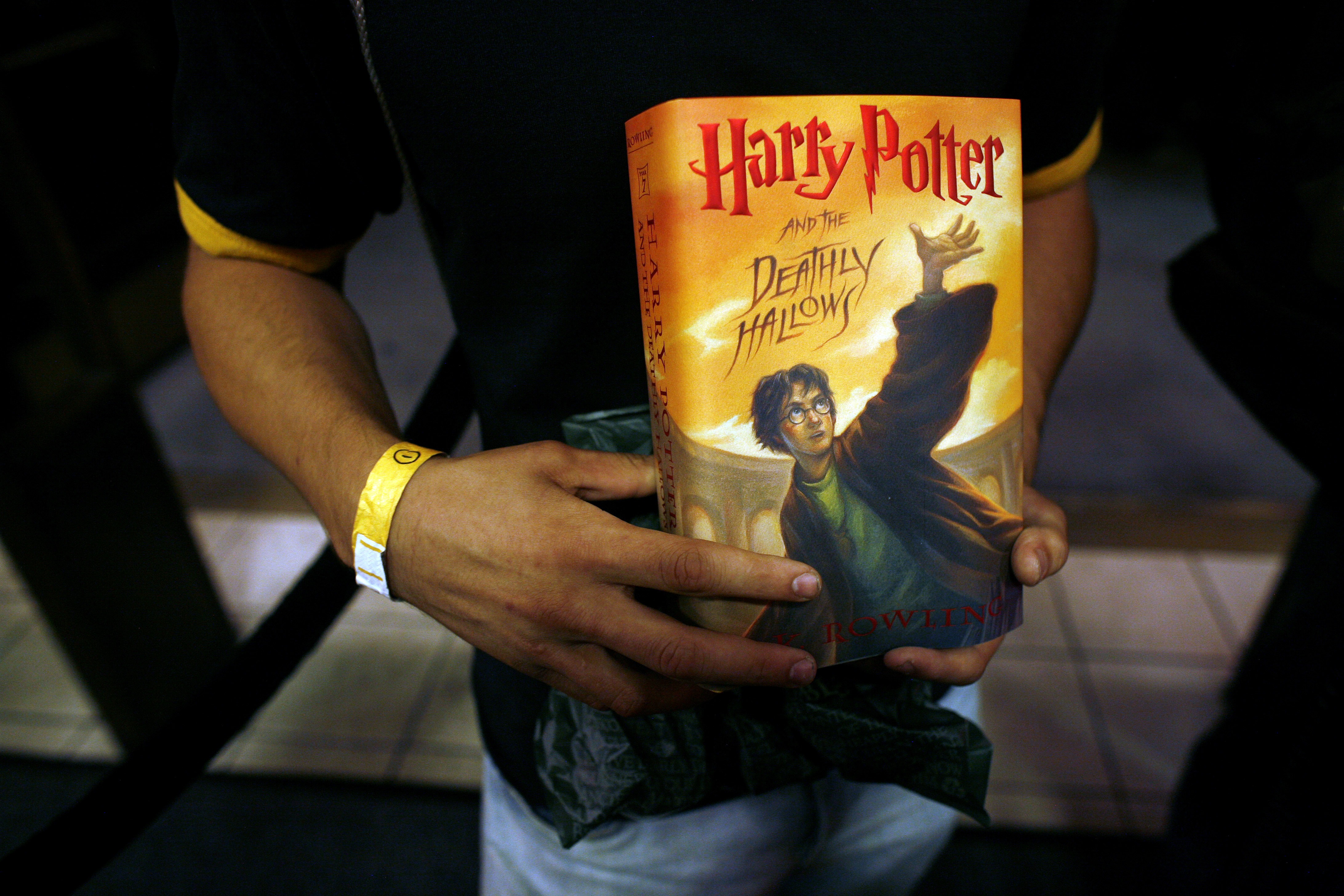
7. “Harry Potter and the Deathly Hallows” closed a global chapter.
Millions waited at midnight releases, clutching the final book like it was a portal to childhood one last time. The conclusion of a saga that defined an era. It was one of those rare cultural touchstones everyone seemed to share, no matter where they came from.
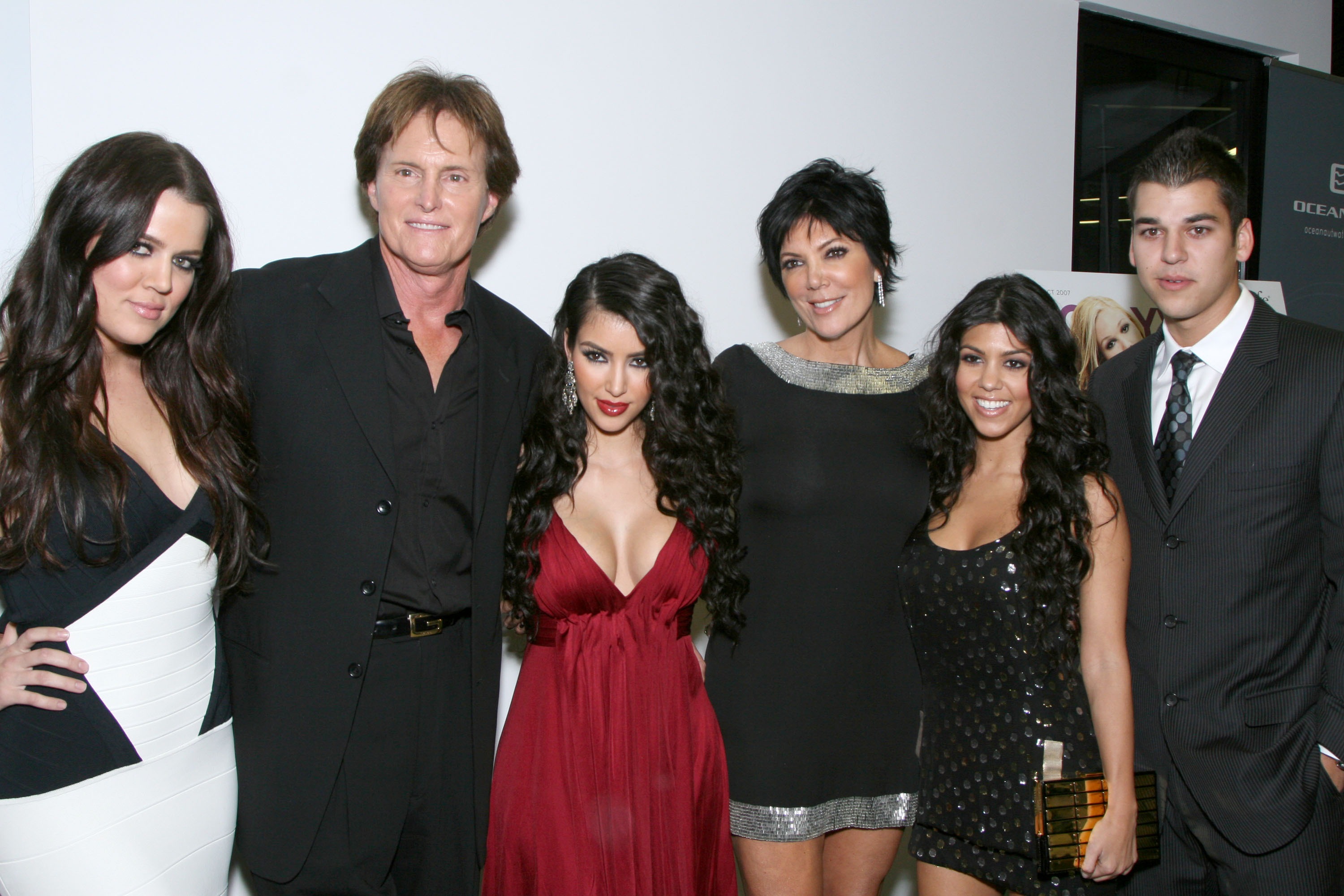
8. “Keeping Up With the Kardashians” introduced a family that would rewrite celebrity.
Nobody knew it yet, but reality TV was about to become a cultural engine. The Kardashian empire began with a pilot episode that didn’t pretend to be anything more than entertainment. It became the launchpad for global influence.
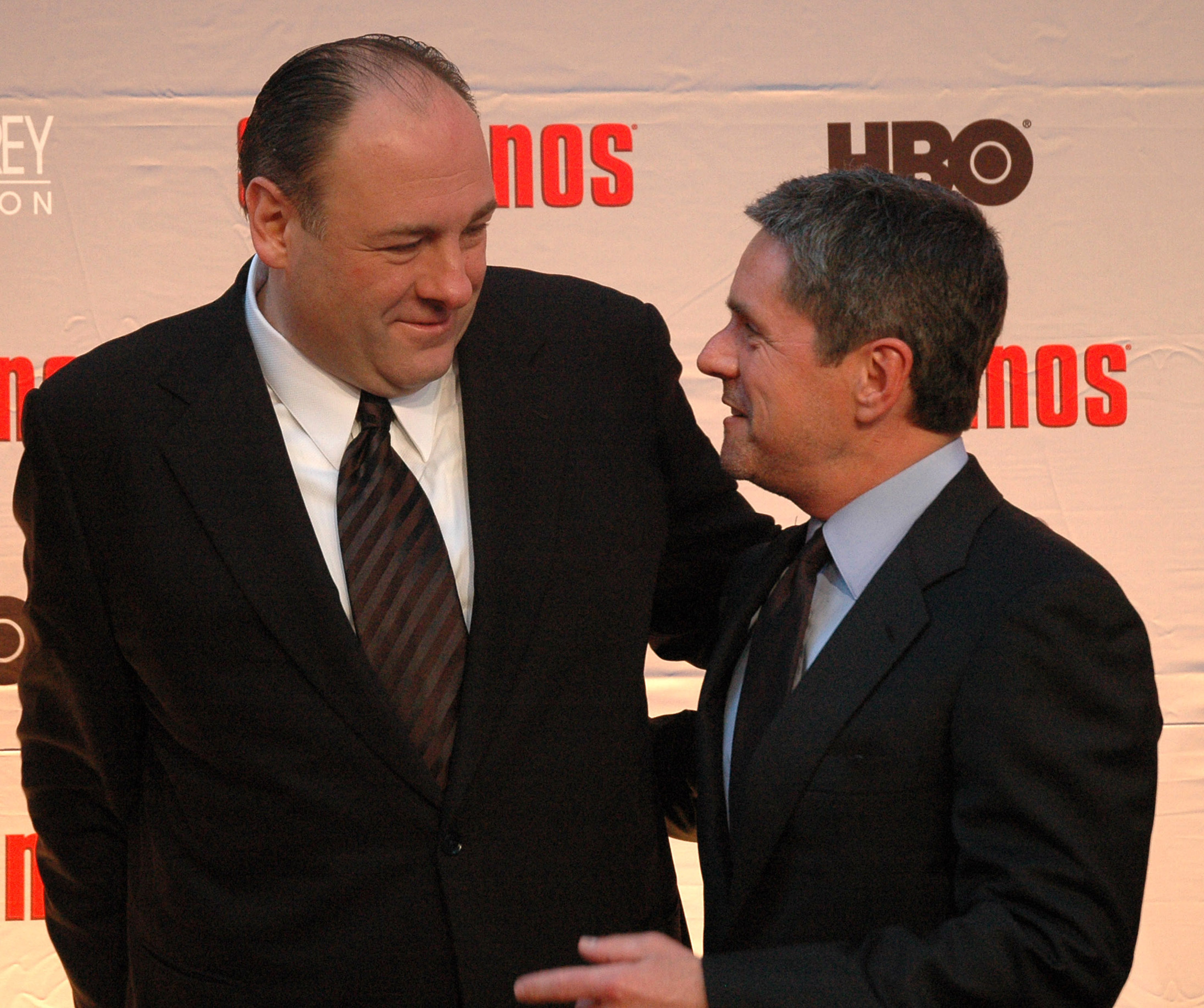
9. “The Sopranos” aired its final episode and left the world debating that cut to black.
When LeBron James last scored in the single digits, Tony Soprano was still alive! The series finale wouldn’t air until June of 2007, and it turned living rooms into roundtables. What happened? Did Tony make it out? That cliffhanger became one of television’s defining endings—a bold fade into ambiguity that resonated like a gut punch.
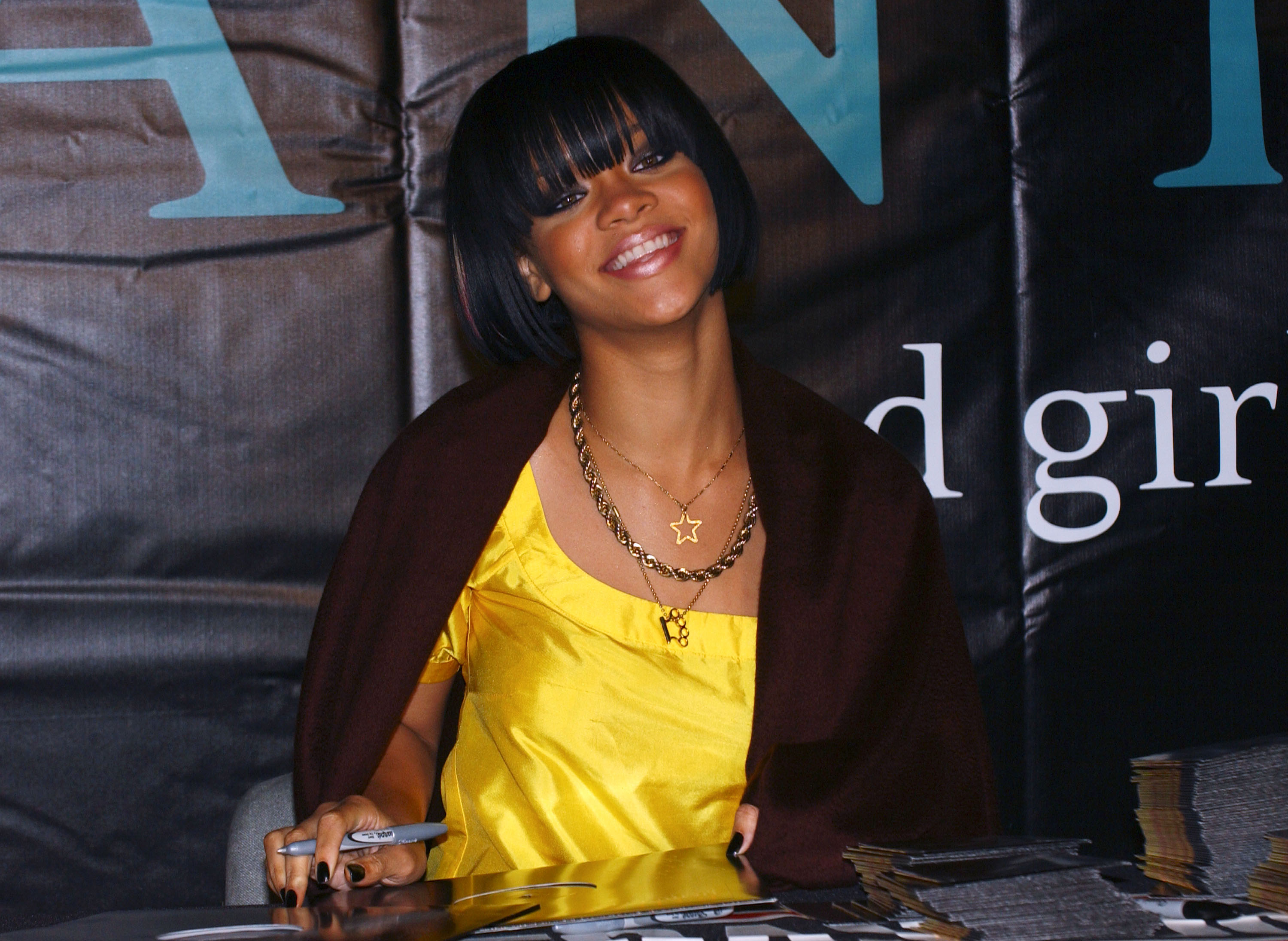
10. Rihanna unleashed “Good Girl Gone Bad,” shifting her into superstardom.
With “Umbrella,” she didn’t just drop a hit; she detonated an era. Her career exploded from rising artist to global icon, reshaping pop, fashion, and culture with every beat.
So here we are—January 2007 reborn for a moment, all because LeBron James chose the pass instead of the point. A night when a streak ended, and a victory began. A reminder that longevity isn’t measured only in numbers, but in the choices that echo across time.
And maybe that’s the poetry of it: while the world changed around him—presidents, platforms, technology, music—LeBron James remained constant. Evolving, yes. Aging, sure. But still here, still making the right play, still reminding us that greatness isn’t just what you score. It’s what you give.
Related Stories:

Want more insights? Join Working Title - our career elevating newsletter and get the future of work delivered weekly.
