For the past several years, there was a common sight along the Tidal Basin in Washington, D.C.
No, we’re not talking about the cherry blossoms, or even the tourists and locals that gather annually to gawk at them — we’re talking about the flooded walkways and deteriorating infrastructure that arose as the south side of the 1800s-era seawall sank into the water.
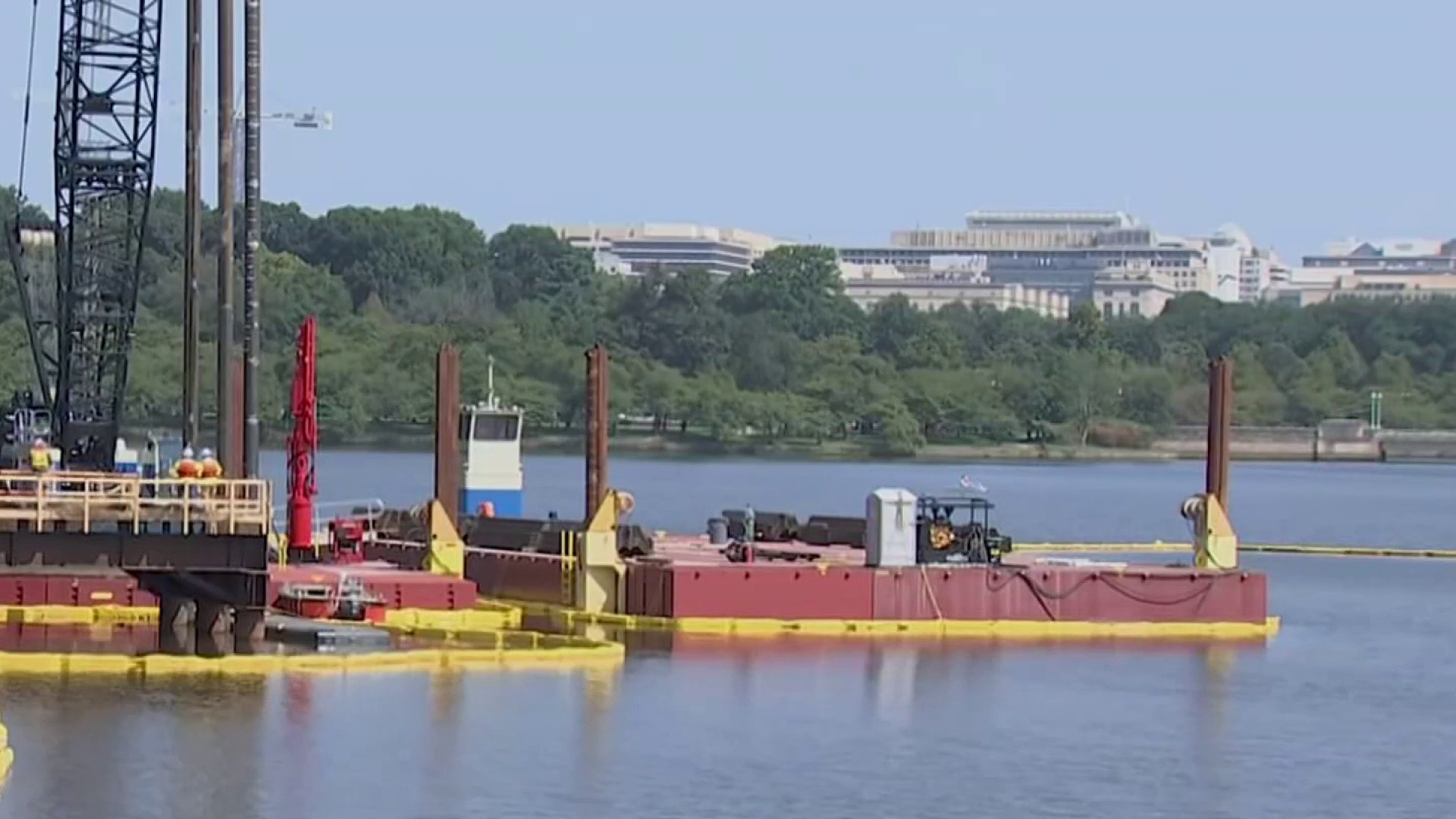
Now, after two years of rehab, the National Park Service says phase one of the seawall reconstruction project is complete.
Phase one is the part of the project that necessitated removing more than 300 trees from the area, including the world-famous cherry trees. The flooding around the Tidal Basin threatened the wellbeing of those trees, and would have prevented new cherry trees from being planted if left unfixed.
Now, the necessary repairs to the seawall are complete.
“We are eight months ahead of schedule, $30 million under budget,” said Mike Litterst, spokesperson for the National Park Service. “Great example of government efficiency, I think.”
The total cost of the seawall restoration project is about $113 million.
Litterst tells News4 that work will soon begin to replace the more than 300 trees that were removed for the project.

“Next spring, when it warms up again, we will replace those trees and we will replace about 125 more,” Litterst said. “So, 426 new trees are coming to the Tidal Basin and the Potomac River to mark the completion of the project.”
But if you’re thinking of stopping by those blooms in 2026 — you have a while to wait. While the wall inside the Tidal Basin is complete, the walkways around it won’t reopen until after the upcoming cherry blossom season.
“Still have to replant the trees, and the fencing will be up until after next season’s cherry blossoms,” Litterst said. “We don’t want all those hundreds of thousands of sets of feet trampling the brand-new roots as they’re trying to take hold.”
Construction is also still underway on the seawall that lies on the river side of the park — though that is also expected to be completed ahead of schedule.
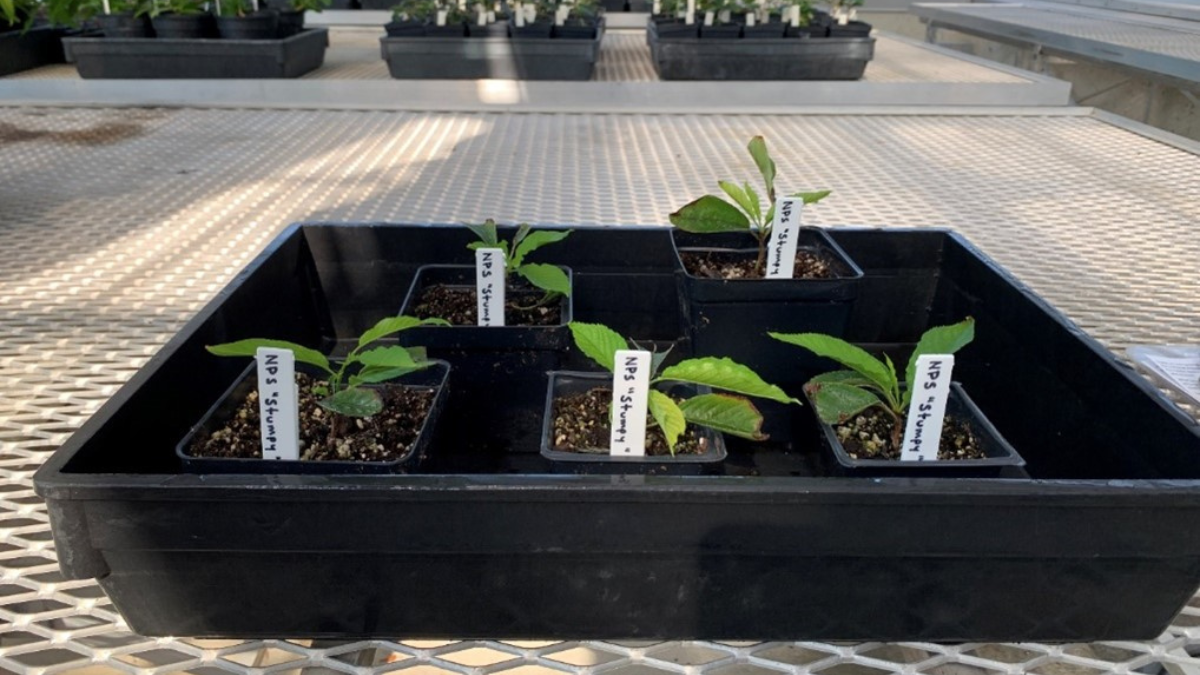
And don’t worry: We asked about Stumpy, too.
The descendants of the Tidal Basin’s most famous cherry tree, removed from the area after 2024’s peak bloom, will one day make their way back to the area.
Just, not quite yet.
“Couple more years before we see Stumpy’s descendants back,” Litterst said.

Want more insights? Join Working Title - our career elevating newsletter and get the future of work delivered weekly.
