“To be sure, a small (and often overstated) segment of rent stabilized buildings face real financial distress. Adding to the rent burdens of a million households to save these outliers makes little sense.”
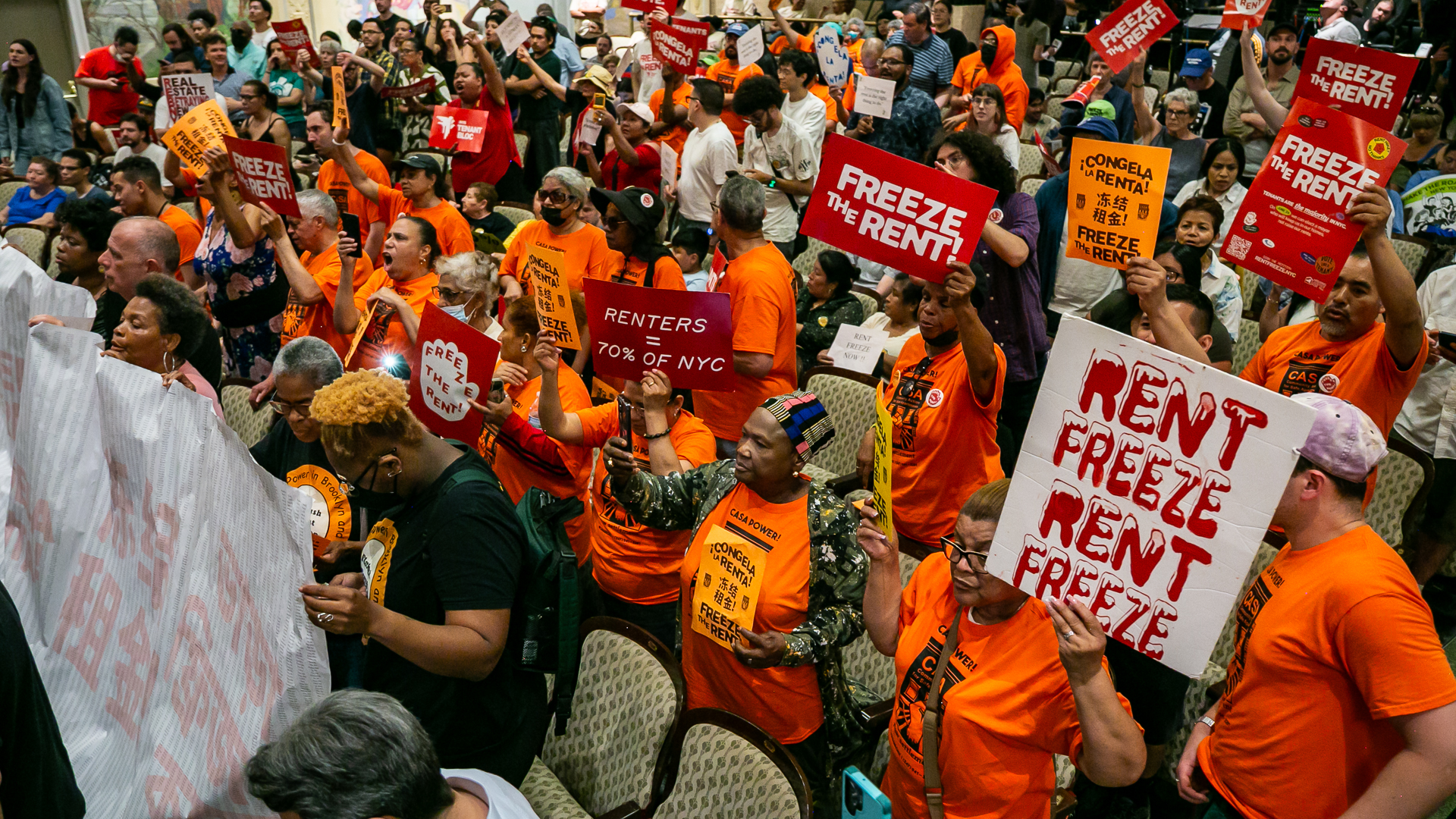

By packing the Rent Guidelines Board with members of his choosing, Mayor Eric Adams has made his move to derail Mayor-elect Zohran Mamdani’s campaign promise to freeze rents for the city’s 1 million rent stabilized households.
With few exceptions, the Board’s five public members generally control the outcome of the annual guideline setting process. One public member, Alex Armlovich, will serve out a term lasting through 2026. A second public member, Arpit Gupta, has been reappointed to a term also set to expire at the end of 2026. And a third public member, newly appointed Liam Finn, will also serve out a term expiring at the end of 2026.
These 11th hour appointments run afoul of customary deference to an incoming mayor and undermine a clear democratic mandate for leadership committed to a more affordable city. More critically, they seek to condemn rent stabilized tenants to a continuation of unwarranted rent increases.
(function(d,u,ac){var s=d.createElement(‘script’);s.type=’text/javascript’;s.src=’https://a.omappapi.com/app/js/api.min.js’;s.async=true;s.dataset.user=u;s.dataset.campaign=ac;d.getElementsByTagName(‘head’)[0].appendChild(s);})(document,54625,’u4kmqsczew4vunxutxmd’);
There are several metrics for determining whether past rent adjustments have been appropriate. Public debate over rent increases routinely apply misleading metrics and miscast the relevant data.
In general, the board’s legal mandate is to limit the effects of the city’s housing shortage on rent increases. Landlords should be able to collect enough rent to cover operating costs and ensure that their net income will not be eroded by inflation. At the same time, the system protects against exploitive rent increases landlords would otherwise be able to extract from tenants searching for scarce apartments.
At its annual meetings and hearings, the Rent Guidelines Board receives a deluge of statistics about the economic health of the housing stock and conditions faced by tenants. Only a few of those statistics speak to whether the board has satisfied its legal mandate. Those numbers demonstrate that the board has indeed gone off track: Several data sources establish that landlords have, in fact, been overcompensated.
From 1990 to 2023 (the first and last year the board received comprehensive data on building income and expenses) average net operating income for rent stabilized buildings has risen 48 percent after adjusting for inflation. This growth was a product of increases authorized by both statutory changes and the actions of the Rent Guidelines Board.
Had the board adopted guidelines precisely aimed at covering all cost increases and protecting net operating income from the effects of inflation since 1990 (and disregarding the effects of statutory changes on rents), it would have authorized cumulative increases totaling 228 percent.
In fact, the board authorized increases totaling 236 percent—an 8 percent gap that favors owners. That gap was once as high as 39 percent. An inexcusably slow effort to narrow the gap began during the de Blasio administration. Even if the gap were closed, rent burdens will continue to suffer from massive rent increases brought about by statutory deregulation, vacancy bonuses and other increases that were in place until finally curbed by Albany in 2019.
To be sure, a small (and often overstated) segment of rent stabilized buildings face real financial distress. Adding to the rent burdens of a million households to save these outliers makes little sense. Reforming existing programs and crafting new ones to lower costs and finance needed repairs for these struggling buildings is a more precise and fitting remedy.
While the Board’s staff reports that some 9 percent of the stabilized stock is not meeting its expenses, the precise economic problems faced by these buildings are difficult to discern. How many hold a number of the tens of thousands of stabilized apartments being deliberately held off the market? How many are being emptied with an eye toward demolition or rehabilitation? How many are simply operated by grossly incompetent and neglectful owners?
Given the paucity of annual “hardship” applications for special rent increases available within the current system, it is clear that the primary impediments to solvency are not rent limits. More likely, tenant affordability limits, leading to non-payment of rent and expensive eviction proceedings, along with owners deliberately holding units off the market for development or rehab, explains most of the 9 percent figure.
Owners and their allies will assert that rent increases have not kept up with operating costs since 2019. That time frame is selective and misleading. What the public is not told is that relatively lower rent guidelines in recent years have served as a long overdue correction for grossly excessive adjustments adopted from 2009 to 2014.
Those rent hikes caused the greatest tenant rent burdens on record. By 2014 the average stabilized household spent over 36 percent of their income on rent—and those burdens persisted into the COVID years. By contrast, in 1970, during the first full year of rent stabilization, the average rent burden for stabilized households was 22 percent of income.
At a gut level most New Yorkers have known for years that there is something wrong with the system. By the numbers, they were right. Last November they voted for a change.
The new mayor should be allowed to do the job he was elected to do.
Timothy Collins is the former executive director of the NYC Rent Guidelines Board, author of An Introduction to the NYC Rent Guidelines Board and the Rent Stabilization System – Rent Guidelines Board and a partner in the law firm of Collins Dobkin & Miller LLP. Samuel Stein is a senior policy analyst at the Community Service Society of New York.*
*CSS is among City Limits’ funders.
The post Opinion: By the Numbers, a Rent Freeze Is Warranted appeared first on City Limits.

Want more insights? Join Working Title - our career elevating newsletter and get the future of work delivered weekly.
