A former Florida state trooper and corrections officer allegedly killed and dismembered a woman who wanted to start a life with him after an affair and a baby, then dumped her remains along Gilgo Beach almost 30 years ago, prosecutors say.
Andrew Dykes, 66, pleaded not guilty Thursday to second-degree murder charges. Prosecutors say he met the victim, recently identified as Tanya Jackson, but known only as “Peaches” for years, at a Texas base.
Dykes, who was married with children at the time, and Jackson allegedly had an affair that produced a baby. Prosecutors allege that when Jackson wanted to start a life with Dykes, he killed her and dismembered her body. DNA from the victim matched Dykes, prosecutors say. His lawyer says they will fight the case.
For years, the 1997 killing of a young woman found in a Long Island state park — her body dismembered, left unidentifiable beyond a tattoo of a peach — seemed destined to remain unsolved.
That all changed in 2011, when investigators discovered new skeletal fragments, along with the body of her 2-year-old daughter, while combing a beachfront strip near Gilgo Beach as part of what would become an infamous investigation into women murdered in the area.

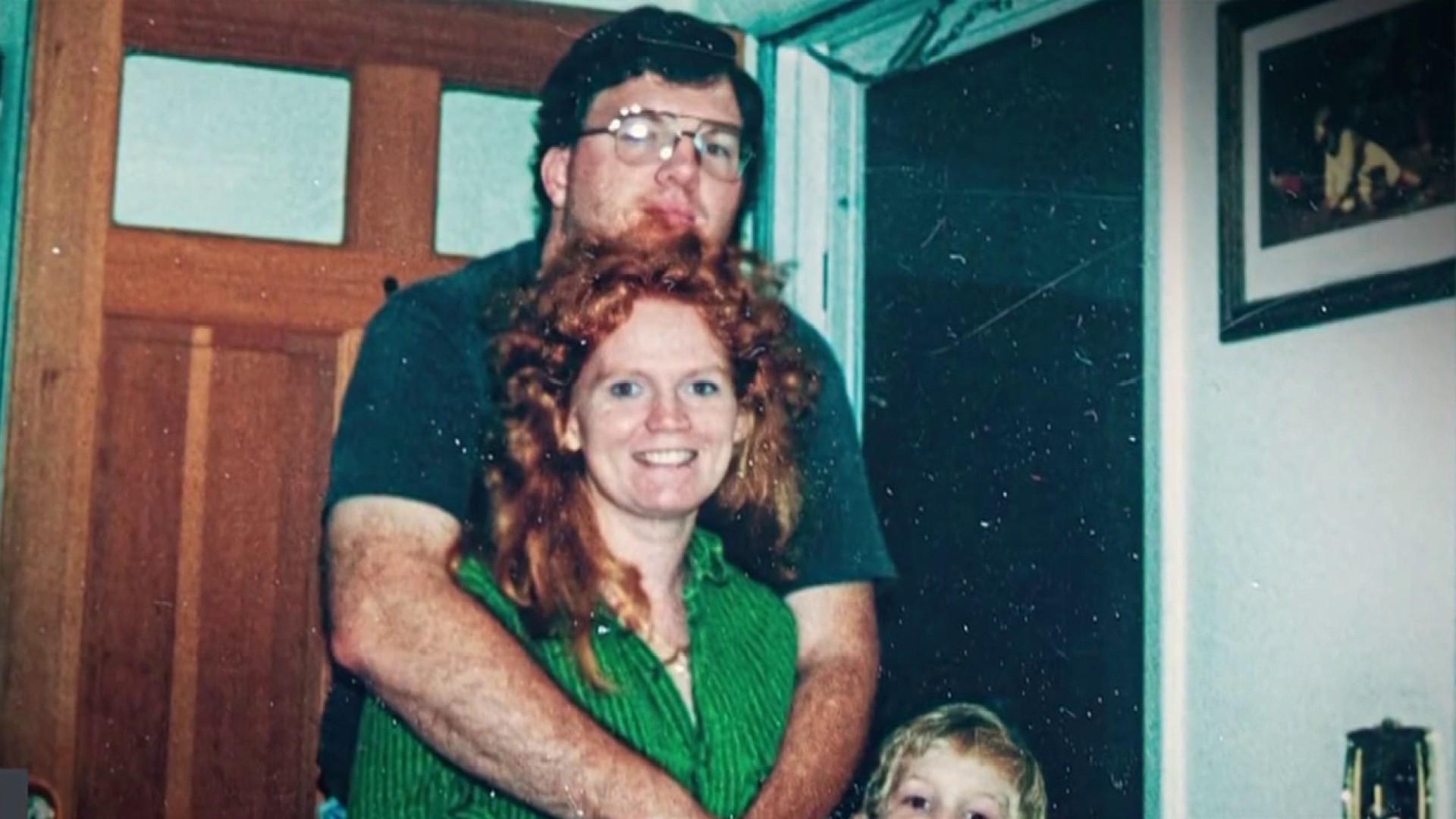
Dykes was indicted earlier this month and recently extradited to Long Island. Jackson had been living in Brooklyn with her daughter at the time of her disappearance and was largely estranged from her family, according to police. They said they had identified her and her daughter through advanced DNA and genealogy research. Back in 1997, officials say the toddler’s father was cooperating and not considered a suspect.
Prosecutors say there is currently insufficient evidence to charge Dykes in his daughter’s murder, but the district attorney says her office believes that he is, in fact, her killer. Jackson’s aunt and cousin watched in court Thursday as Dykes pleaded not guilty. They declined to comment.
Another man, Rex Heuermann, has been charged in seven of the Gilgo Beach killings. Heuermann, a Long Island architect, has maintained his innocence. There is no apparent link between Dykes, a Florida resident, and Heuermann.
A total of 10 sets of human remains were found in the sand along a beach parkway. Many of the victims were women whose disappearances had never been thoroughly investigated. Police, almost from the start, said that it was possible some were victims of a serial killer, but said there was also evidence that the remote area might have been a dumping ground for more than one murderer.

Want more insights? Join Working Title - our career elevating newsletter and get the future of work delivered weekly.
