Federal prosecutors secured indictments against more than two dozen people accused of rigging college basketball games in America and pro hoops contests in China, according to court papers unsealed in Philadelphia on Thursday.
The suspects face a slew of charges that include alleged bribery in sports, conspiracy to commit wire fraud, wire fraud and aiding and abetting.
The suspects include several former college basketball players: Alberto Laureano, Arlando Arnold, Simeon Cottle, Kevin Cross, Bradley Ezewiro, Shawn Fulcher, Carlos Hart, Markeese Hastings, Cedquavious Hunter, Oumar Koureissi, Da’Sean Nelson, Demond Robinson, Camian Shell, Dyquavion Short, Airion Simmons and Jalen Terry.
Trainers Jalen Smith and Roderick Winkler and “high-stakes sports gamblers” Marves Fairley and Shane Hennen were also named in the indictments.
The indictment unsealed in Philadelphia named 20 defendants, though U.S. Attorney David Metcalf said 26 people total “perpetrated a transnational criminal scheme to fix NCAA Division I men’s basketball games as well as professional Chinese Basketball Association games.”
The prosecutor said “the integrity of sport itself and everything that sports represent to us, hard work, determination and fairness” was threatened by these defendants.
“We allege an extensive international criminal conspiracy of NCAA players, alumni and professional bettors who fixed gains across the country and poisoned the American spirit of competition for monetary gain,” Metcalf told reporters on Thursday.

Fixers “engaged in a point-shaving scheme involving more than 39 players on more than 17 different NCAA Division I men’s basketball teams who then fixed and attempted to fix more than 29” games for millions of dollars in bets, the indictment said.
The fixed games include contests in China and players in the U.S. who manipulated contests involving Nicholls State, Tulane, Northwestern State, Saint Louis, LaSalle, Fordham, Buffalo, DePaul, Robert Morris, Southern Miss, North Carolina A&T, Kennesaw State, Coppin State, New Orleans, Abilene Christian, Eastern Michigan and Alabama State.
The defendants fixed or attempted to fix the final scores of 29 games in what could be the most sweeping college basketball scandal since the 1951 point-shaving scheme involving several New York City schools.
Prosecutors say the alleged sports gambling conspiracy began in September 2022 when the defendants first started to bribe players in the Chinese Basketball Association to engage in “point shaving,” when someone is paid to manipulate a game’s final margin of victory and not necessarily the win-loss outcome.
Fairley and Hennen initially targeted Antonio Blakeney, who was playing for the CBA’s Jiangsu Dragons at the time and was not named in this indictment, prosecutors said.
Blakeney, who had played for LSU, “agreed to participate in the scheme and then recruited other players from Jiangsu,” according to court papers.
In a March 6, 2023, game, Blakeney’s Dragons were 11.5-point underdogs to the Guangdong Southern Tigers. Fairley and Hennen bet $198,3000 via BetRivers Sportsbook on the favorites to cover that spread, authorities said.
Blakeney, who averaged 32 points per game that season, scored just 11 in that contest, leading to a 127-96 spread-covering win for the Tigers.
“Blakeney underperformed in and influenced the game as he and the fixers had agreed,” the indictment said.
The indictment went on to cite other games allegedly fixed by Blakeney. And then in April 2023, after the CBA season had finished, Fairley “placed a package into Antonio Blakeney’s storage unit in Florida, which contained nearly $200,000 in cash, representing bribe payments and proceeds from the fixed CBA games,” according to the indictment.
The scheme moved to college basketball games in the United States during the 2023-24 and 2024-25 seasons, prosecutors said, as Blakeney allegedly “agreed to recruit NCAA players who would accept bribe payments,” court papers said.
Payments “ranging from $10,000 to $30,000 per game” were made to the American college players.
The gamblers recruited defendant Koureissi and Diante Smith, players for Nicholls State, to allegedly underperform in a Feb. 17, 2024, game against favored McNeese State, prosecutors said.
Smith, who was not named in this indictment, and Koureissi averaged 16.0 and 4.1 points per game, respectively, that season. They scored 13 and zero points in that contest against McNeese State, which easily covered the 12-point spread in a 74-47 blowout.
This sweeping FBI investigation marks the latest gambling scandal to rock high-level U.S. sports.
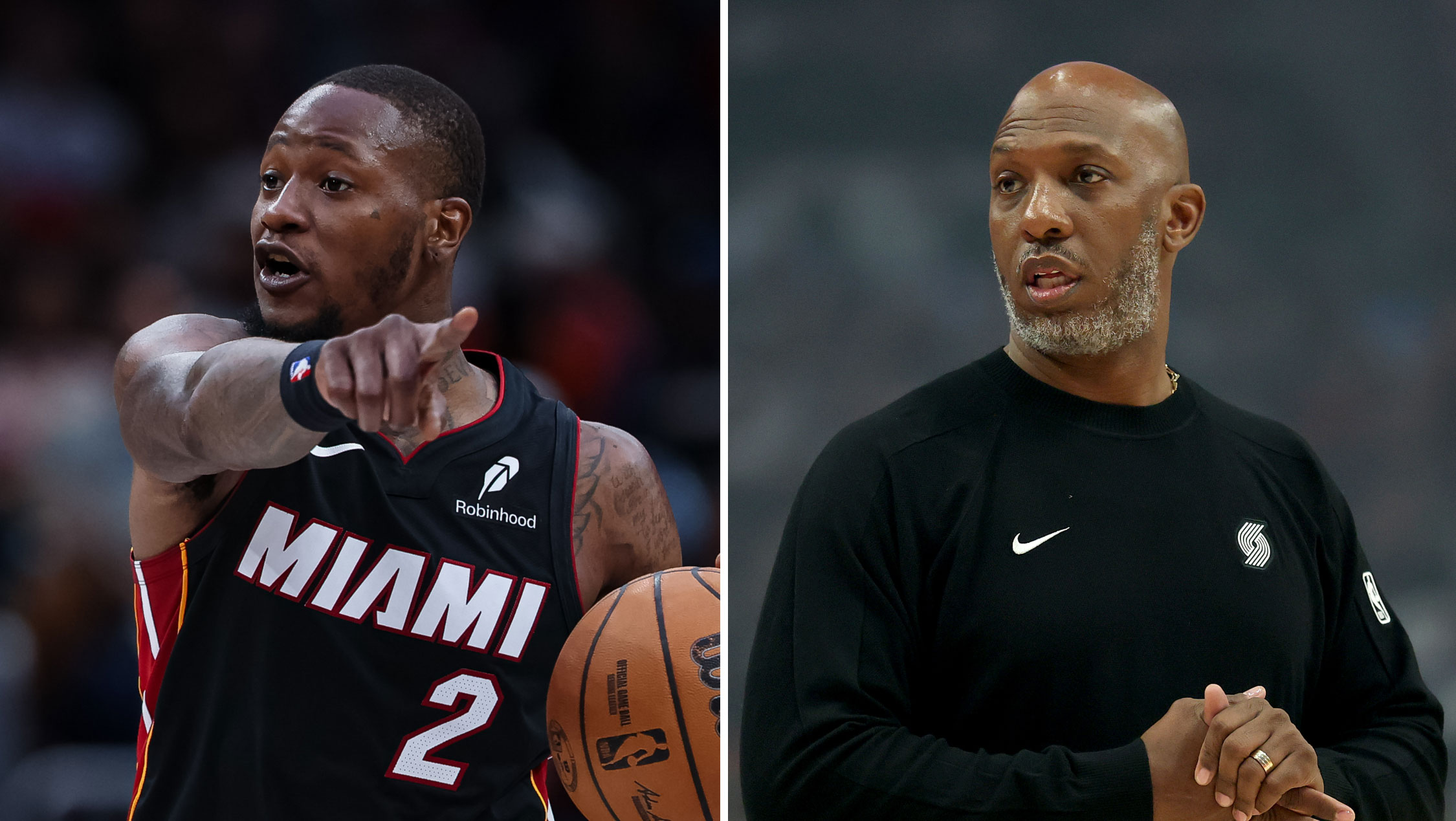
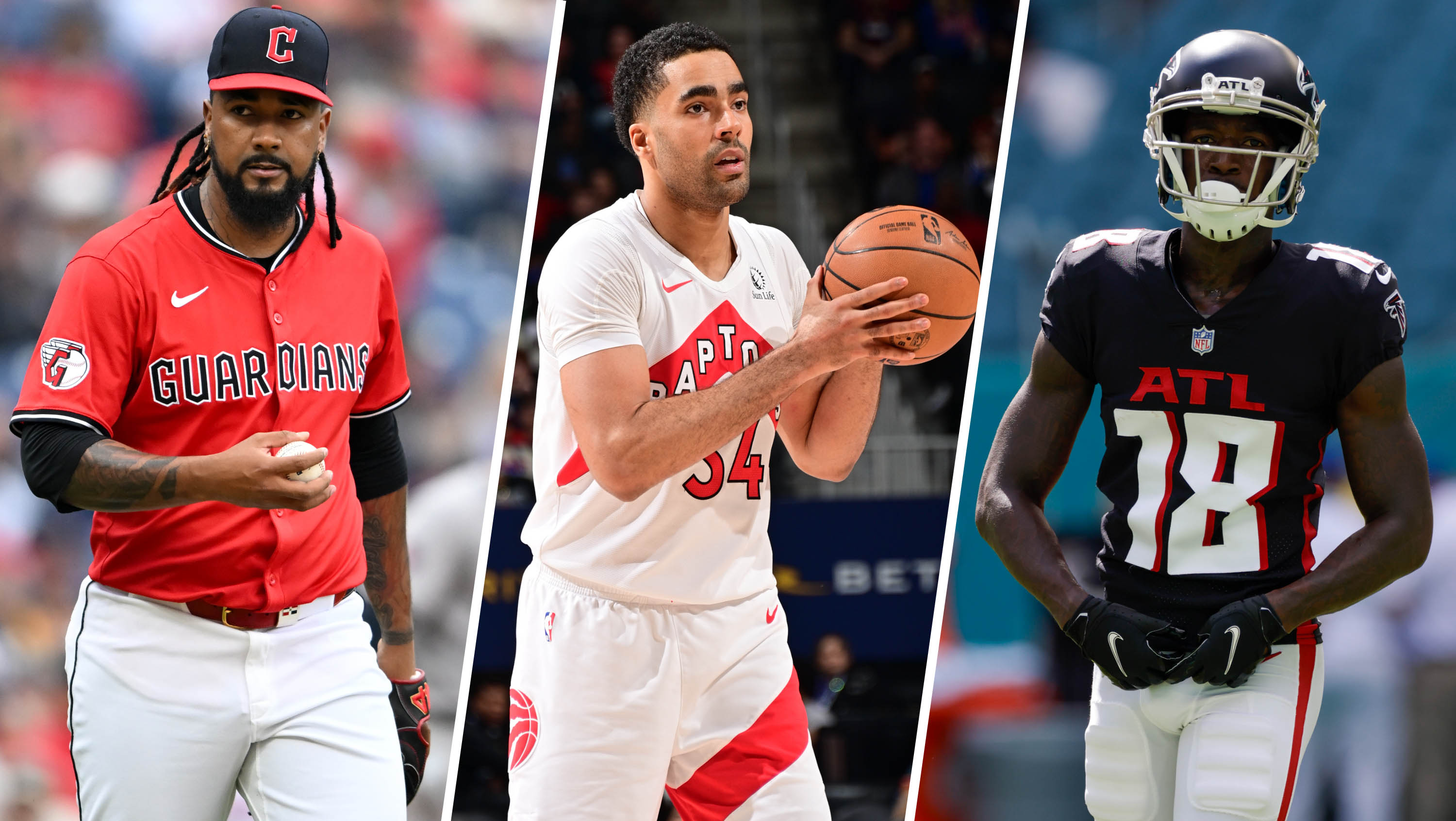
NBA journeyman Terry Rozier was arrested on Oct. 23 and accused of conspiring with gamblers to pass on insider knowledge for wagers.
Cleveland Guardians pitchers Emmanuel Clase and Luis Ortiz were arrested in November and accused of working with gamblers to bet on individual pitches they threw during games.
Sports gambling, once illegal in every state other than Nevada, has been taking off since the U.S. Supreme Court in 2018 struck down a federal law that required states to ban betting on games.
Now there’s some form of legalized sports betting in 40 states and the District of Columbia.
The proliferation of sports betting and payments to college athletes — for their name, image and likeness (NIL) — has made for an environment that makes match fixing possible, according to Metcalf.
“I will say that the evidence in this case shows that the monetization of college athletics and athletics generally … furthered the enterprise in this case,” Metcalf said.
“But it’s complicated, right? I mean, as we allege in the indictment, certain players were targeted because they were somewhat missing out on NIL money.”
David K. Li and Isabel Yip contributed.

Want more insights? Join Working Title - our career elevating newsletter and get the future of work delivered weekly.