Rep. Juan Vargas, D-San Diego, Thursday joined Sen. Alex Padilla, D-California, in announcing they had secured nearly $3.5 million to help address pollution and trash in the Tijuana River Valley.
The money was secured through the Community Project Funding process and is intended for a project to dredge the Smuggler’s Gulch area and remove waste, debris and accumulated sediment.
Relevant content:

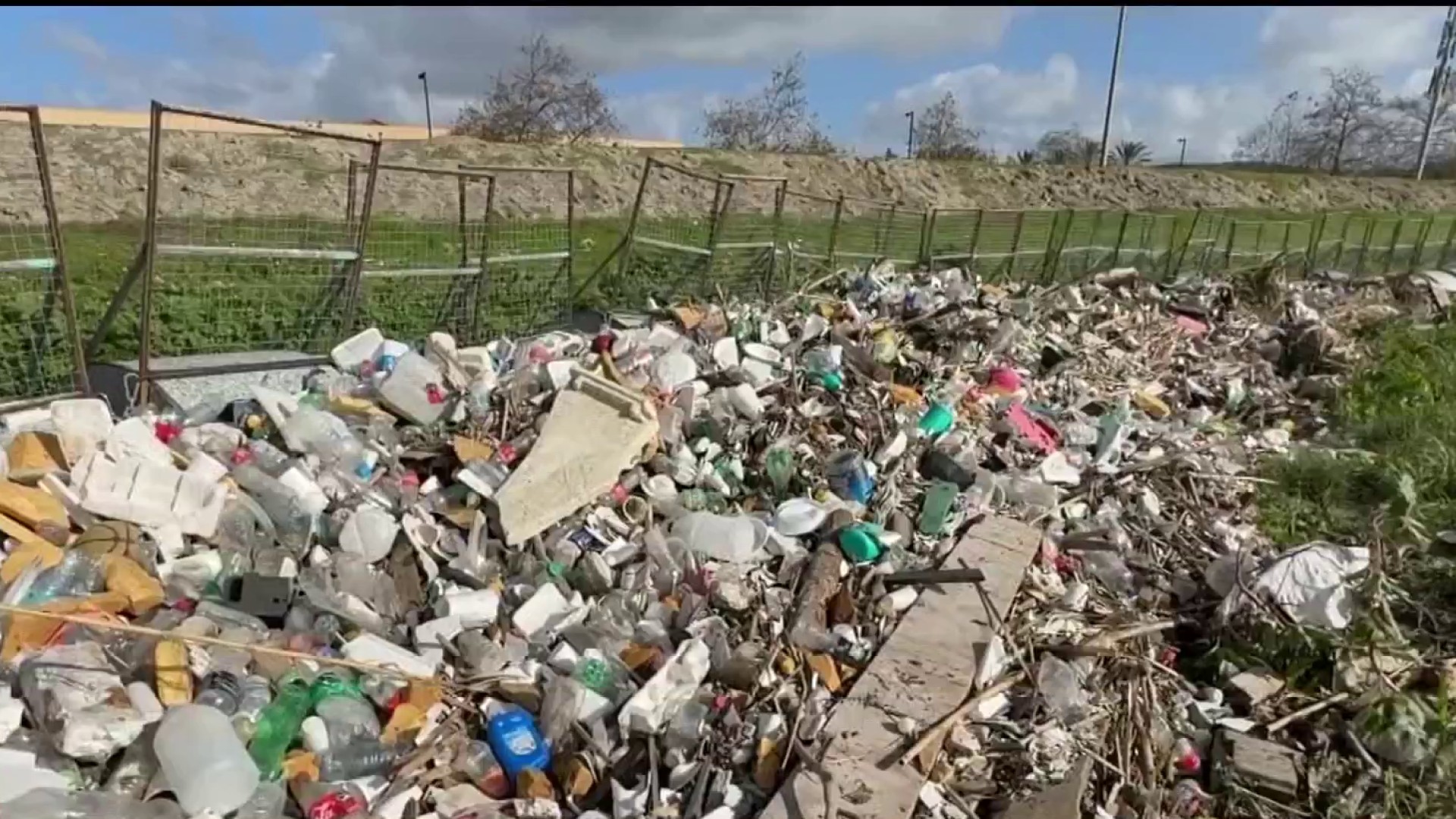
“This funding will help us continue to combat pollution, trash and sediment in the Tijuana River Valley and also reduce flooding risks,” Vargas said. “Our Congressional delegation has secured over half a billion dollars in federal funding to address pollution in the Tijuana River Valley. While I’m glad to add to that total today, our work is far from over. I’ll continue fighting for the clean water, air and land our communities deserve.”
Last year, amidst actions both federally and locally intended to clear the long-standing pollution in the Tijuana River, Vargas, Padilla and reps. Scott Peters, Sara Jacobs, both D-San Diego, and Rep. Mike Levin, D-Dana Point, and Sen. Adam Schiff, D-California, reintroduced the Border Water Quality Restoration and Protection Act, bicameral legislation to help combat cross-border pollution in the Tijuana River.
“It is inexcusable that in 2026, toxic waste and raw sewage are still contaminating Southern California’s air and water, shuttering public beaches and posing dangerous health consequences to Tijuana River Valley families,” Padilla said. “I’m glad to have worked with Representative Vargas to secure this important investment to curb pollution and flooding across the border. I will keep fighting for federal resources necessary to finally resolve this dangerous health and environmental crisis.”
The decades-long process to clean the area has been exacerbated in recent years due to multiple consecutive years of beach closures in the South Bay due to elevated bacteria levels as a result of sewage and wastewater runoff.
In December, the U.S. Environmental Protection Agency announced the Minute 333 agreement between the United States and Mexico, leaning more heavily on Mexico than previous partnerships and factors in growth in Tijuana in its infrastructure plans.
“Great progress has been made this year to achieve the 100% solution to the Tijuana River sewage crisis, but it would have all been for nothing if we don’t take the appropriate steps to account for the inevitable population growth of Tijuana and surrounding areas,” said EPA Administrator Lee Zeldin. “We have set the framework for tremendous steps to be made, and we now look forward to very quickly hitting the ground running to implement the mutually agreed upon actions. I saw the frustration of San Diego area residents firsthand when I visited in April. I promised them a 100% solution to this issue, and the Trump EPA is doing its part to deliver.”
Specifically, Minute 333 calls for:
- the creation of an account at the North America Development Bank which sets aside a portion of funds provided to Mexico to be held for future operations and maintenance costs
- Mexico developing a Tijuana water infrastructure master plan within six months
- a binational working group created within three months to assess the feasibility of constructing an underwater outfall pipe for the San Antonio de los Buenos Wastewater Treatment Plant and assessing expanding the plant from 18.26 million gallons per day to 43.37 MGD
- Mexico constructing a sediment basin in Matadero Canyon (also known as Smuggler’s Gulch), prior to the 2026-27 rainy season
- Mexico constructing the Tecolote-La Gloria Wastewater Treatment Plant with a capacity of 3 MGD by December 2028
Since 2018, more than 200 billion gallons of toxic sewage, trash and unmanaged stormwater have flowed across the United States-Mexico border into the Tijuana River Valley and neighboring communities, forcing long-lasting beach closures and causing harmful impacts on public health, the environment and water quality.

Want more insights? Join Working Title - our career elevating newsletter and get the future of work delivered weekly.
