It’s been 30 years since the Blizzard of ’96 hit the Philadelphia region. The storm itself occurred from Jan. 6 through Jan. 10, but hit the Philly area especially hard on Jan. 7 and Jan. 8, dumping two and a half feet of snow.
Three decades later, former NBC10 meteorologist Glenn “Hurricane” Schwartz still remembers it vividly.
“That’s one that I will always remember,” Glenn said. “I had a mustache back then.”
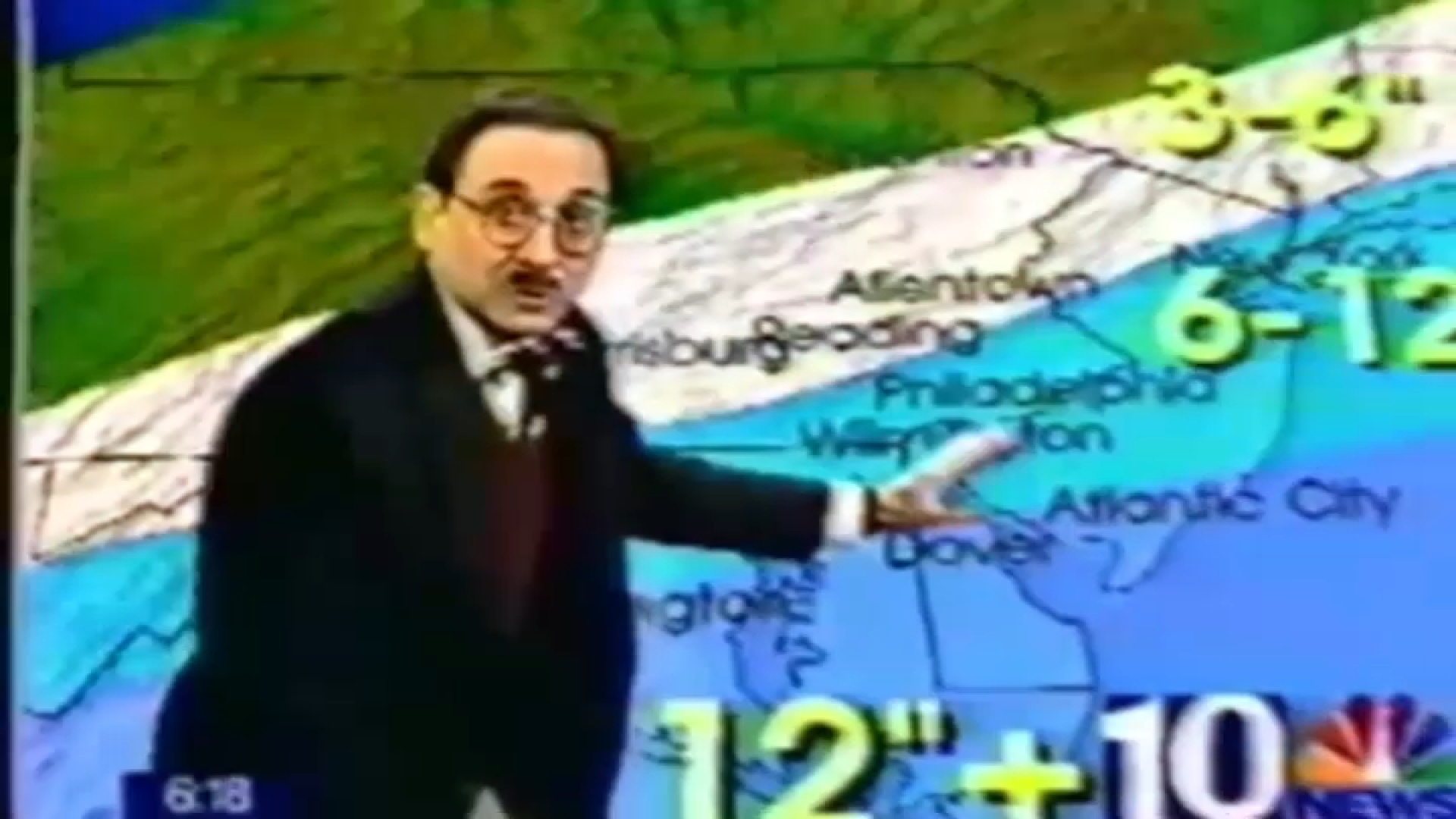
Glenn had just started working at NBC10 a month prior to the storm.
“The viewers, they had no idea who I was or my background,” Glenn said.
But in the days leading up to Jan. 7, 1996, Glenn noticed something big.
“The forecast changed some as the week went on,” he said. “And there were some disagreements around it. And then we ended up with the biggest snowstorm ever recorded here by a long way.”
At that time, the record for snow in the Philadelphia region was 21.3 inches in 1983. The Blizzard of ’96 dumped 30.7 inches of snow.
“That is just unheard of to break a record by that much,” Glenn said. “So this particular pattern with the storm developing in the Gulf of Mexico, building up moisture, and it was so cold here to begin with.”
This led forecasters to ask key questions.
“Is it going to be all snow? Yes,” Glenn said. “Then what’s the track going to be then? How much moisture is there going to be?”
Just a few hours before the first flakes fell, the NBC10 Weather Team forecasted 20 to 30 inches.
“I felt comfortable doing it because I had the science behind me,” Glenn said. “There was that much moisture. It was cold enough. The track of the storm was perfect. And so there’s no hesitation.”
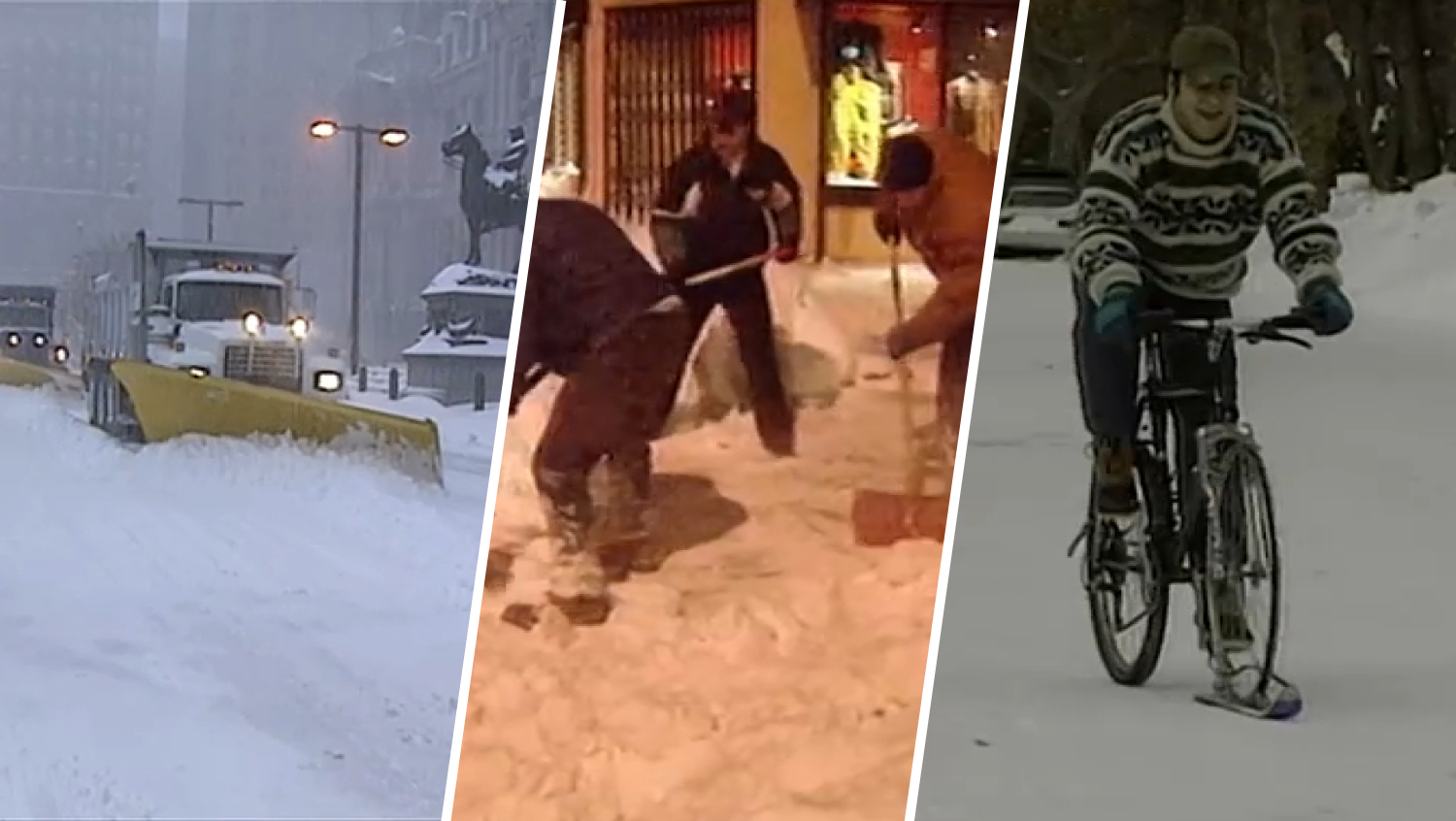
The snowstorm caused roofs to collapse and closed roads leading to residents digging out for days.
“The snow was so massive that they didn’t know what to do with it,” Glenn said.
After 30 years, the Blizzard of ’96 still remains the biggest snowstorm in Philadelphia’s history.
“Well, 30 inches is pretty out there. But I’ll tell you what, if we get one of these, let’s say, in the next 10 years, one, I wouldn’t be surprised,” Glenn said. “Because there is more moisture around. Just because we have less snow overall, fewer days with snow, fewer snowy winters. That doesn’t mean that we’re free of these monsters. There’s still the potential if all the ingredients are right.”

Want more insights? Join Working Title - our career elevating newsletter and get the future of work delivered weekly.
