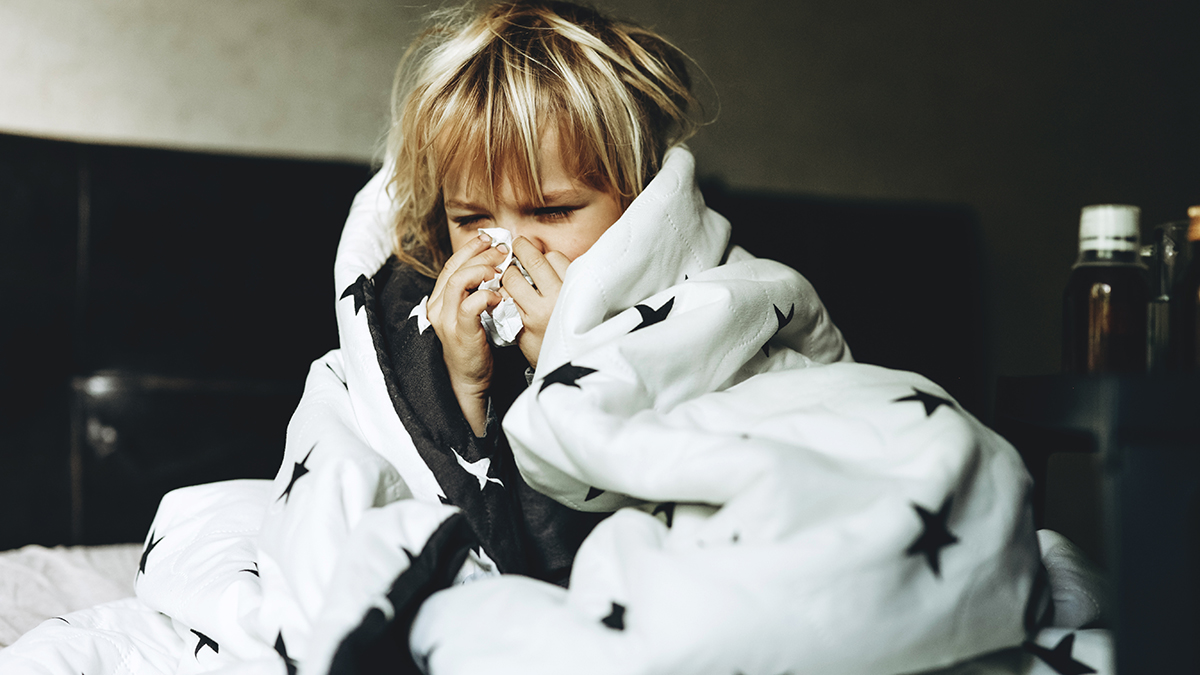
If it feels like everyone is getting the flu, you’re not imagining it. This is shaping up to be another severe flu season. That’s why it’s important to take advantage of every tool we have to keep the spread of the flu in check, including at-home flu tests.
What’s unique about this season is the emergence of a new variant of the H3N2 flu called “subclade K,” Dr. Benjamin Bradley, member of the microbiology committee of the College of American Pathologists and assistant professor at the University of Utah School of Medicine, tells TODAY.com.
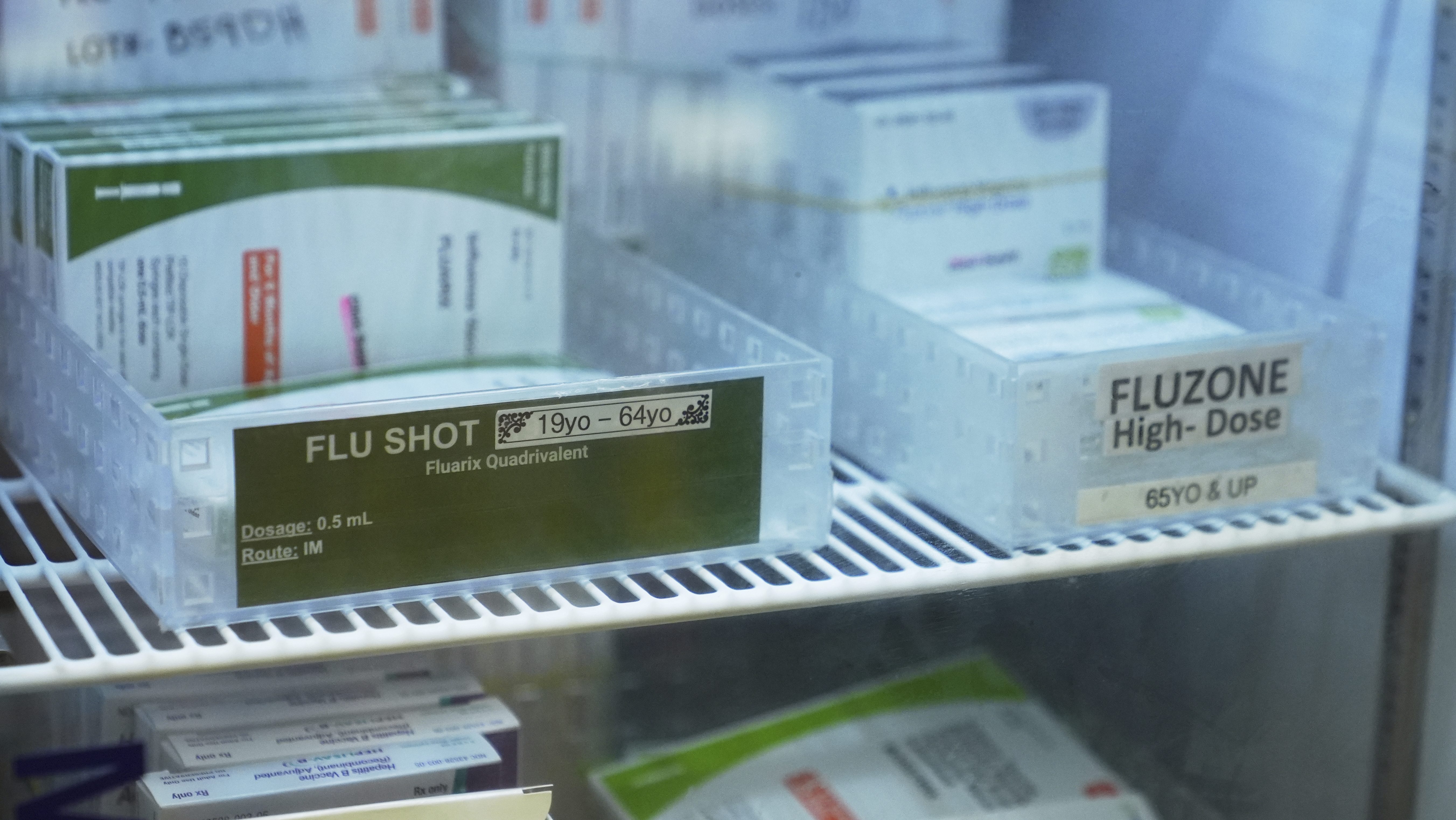
There’s a “bit of a mismatch” between that version of H3N2 and the one included in this season’s flu vaccines, Bradley explains. But, he says, data from other countries suggests that the current vaccines still significantly help protect against the most severe complications of the flu, including hospitalization and death.
Along with vaccines, we now have another important tool to prevent the spread of flu: at-home testing.
Before the COVID pandemic and the widespread use of at-home testing, the public didn’t really have access to home tests for the flu, Dr. Sheldon Campbell, professor of laboratory medicine at the Yale School of Medicine, tells TODAY.com.
The Food and Drug Administration authorized the first combined flu and COVID home test kits in 2023 and the first rapid antigen version of those tests in late 2024. Now you can buy them at your drugstore the same way you would buy at-home COVID tests.
But, as with home COVID tests, at-home flu tests also have their limitations. Here’s what to know about flu testing at home as this respiratory virus season kicks into high gear.
How accurate are at-home flu tests?
While at-home flu antigen tests are simple to use and relatively inexpensive, they’re aren’t as sensitive as laboratory testing, Campbell says. “That means that way less than all of the people with the flu will test positive with an antigen test,” he says.
In general, the tests are better at picking up the flu in kids than in adults. In kids, the tests are between 50% and 80% sensitive, Campbell estimates. And in adults, they’re “probably 50% sensitive or less,” he explains. So, if you actually have influenza, “you’ll get a positive result on a home flu test about half the time.”
A 2022 study estimates that at-home flu tests have a sensitivity of about 63% if the test is performed within 72 hours of when symptoms started. And a more recent study looking at a rapid combined COVID, flu and RSV test found a sensitivity for flu of only 54%.
However, the FDA cited data showing the first test it authorized correctly identified between 90.5% and 92% of flu A and B cases.
There are ways you can improve the sensitivity of your home flu tests, the experts say, including taking the test at the right time and ensuring that you follow all of the directly carefully.
When to take an at-home flu test
Timing your flu test correctly will help ensure you get a more accurate result.
“You want to take (the test) as soon as you become symptomatic,” Bradley says. The onset of symptoms — fever, chills, fatigue, body aches, congestion, etc. — just so happens to coincide with the peak of viral burden, he says, meaning the time when you have the most virus in your body, which is when an antigen test is most likely to pick up an infection.
However, over the next two to three days after you start feeling sick, the “virus begins to decrease a little bit,” Bradley explains. And the performance of the tests “is significantly degraded by 72 hours after the fact,” he adds.
Campbell agrees, and recommends taking the test within the first one to two days of symptoms for that reason. So, if you can, take your at-home flu test when you first start to feel sick or within the first few days for the most accurate results.
How at-home flu tests work
Like at-home COVID-19 tests, these flu tests look for specific proteins (called antigens) in the virus. Those viral particles are present in the fluid in your nose, which you collect as a sample.
Unlike rapid antigen tests for COVID, however, the tests for flu can also tell you whether you have an influenza A or flu B strain. Flu viruses are “built a little bit differently, so we’re able to at least separate out those two from one another,” Bradley explains.
Whether you test positive for flu A or flu B doesn’t really matter “in practical terms,” Bradley says, considering that flu A and B strains are treated the same way, spread the same way and can both develop into severe disease (especially in vulnerable populations).

But it can give you a better idea of what you’re dealing with. In particular, because H3N2 is a flu A strain, it may let you know if you have the new flu variant that’s spreading right now.
Keep in mind that clinics or your doctor’s office have access to more sensitive types of tests, such as those relying on polymerase chain reaction (PCR) technology. So if there’s any doubt or concern about your home test result, the experts say, get in touch with your doctor.
If you test negative on an at-home flu test
A negative result on an at-home flu test can be a little confusing, especially if you feel sick.
First, make sure you performed the test correctly, Campbell says. While these tests are relatively easy to use, mistakes are possible.
“I’ve seen a world-renowned virologist do a rapid flu test wrong in front of a room of medical students,” Campbell says. “The tests are simple, but you you have to follow the directions, otherwise they absolutely will not work,” he says.
You also have to get a good sample, Campbell says. Make sure you “really get up there and get some goop on the (swab) in both nostrils,” he says.
Finally, if you’re sure you performed the test correctly, keep in mind that you might be too early or late in your infection for the test to pick it up.
If you just started to feel sick, you may want to wait 24 hours and take another test, like you might for COVID-19, the experts say. If you still feel bad (or even worse) the next day, your test might be more sensitive. So if you get another negative but still feel sick, you can be more sure that what’s causing your illness likely isn’t the flu.
While COVID activity remains low in the U.S. right now, “there are other respiratory viruses going around still,” Bradley says, including RSV, pertussis (whooping cough) and bacterial pneumonia.
“It’s not just flu that’s going around,” Bradley says. “You’re going to want to keep kind of a lot of things in mind.”
If you test negative on a home flu test but feel crummy, that’s a sign to get in touch with your health care provider to get more guidance, he adds.
“If it’s negative, you shouldn’t be done,” Campbell agrees. Treatment could be “the difference between going to the hospital or not, or dying or not,” he explains. In that case, “a home test is not what you want to rely on,” Campbell says.
If you test positive on an at-home flu test
If you feel sick and get a positive test on a home flu test, you can trust the results. You have the flu. And it’s a good idea to ask your doctor about antiviral medications.
“Those drugs are most effective within the first 48 hours,” Bradley says. “So if you can get that positive result early on, you can call up your doctor and get started on treatment, and that will hopefully reduce your symptoms.”
That’s especially helpful for those who are most at risk for severe flu complications, including older adults, people who are immunocompromised and people with certain underlying conditions. And, even if you’re not in those groups, it may help you make safer decisions about staying home or taking additional precautions if you have to be around others.
Additionally, Campbell says, if you start to feel better with the flu and then begin to feel worse again, that could be a sign of bacterial pneumonia, a serious complication that people sometimes get after the flu.
“That’s a red flag,” he says, “and that would be a reason to call your doctor.”
This story first appeared on TODAY.com. More from TODAY:
- Catholic Influencer’s 5-Year-Old Son Dies After Contracting Flu
- How Long Is the Flu Contagious? As Season Ramps Up, Your Top Questions Answered
- What Are the Healthiest Cough Drops? Doctors Share Top Picks

Want more insights? Join Working Title - our career elevating newsletter and get the future of work delivered weekly.

