Is Ozempic safe for weight loss? What doctors want you to know

Ozempic started the weight-loss drug frenzy, and it continues to be a famous name in the fight against obesity, even though it’s not approved for that purpose.

The blockbuster medication is meant to treat Type 2 diabetes, but comes with weight loss as a celebrated side effect. It’s still the brand synonymous with a slimmer body.

“Most people have understood Ozempic as kind of a catch-all for the GLP-1 class of medications,” Dr. Christopher McGowan, a gastroenterologist who runs a weight loss clinic in Cary, North Carolina, tells TODAY.com.

GLP-1 drugs — which include Ozempic and its sister drug Wegovy, as well as Mounjaro and Zepbound — mimic at least one hormone produced by the gut to signal fullness, leading to a reduced appetite.

About 12% of Americans have taken one of these popular medications for weight loss, according to a 2025 report by RAND, a nonprofit research organization. Another 14% are interested in taking them.

There’s also growing interest among women to take GLP-1 drugs like semaglutide — the active ingredient in Ozempic and Wegovy — for weight loss while breastfeeding after giving birth.

Other people are microdosing semaglutide — taking much smaller doses than recommended — to save money and for other reasons, though many doctors warn against the practice.

Ozempic and Wegovy are expensive with a list price of about $1,000 a month when not covered by insurance, but more patients than ever may be able to afford the prescription drugs. In the fall of 2025, Novo Nordisk, the pharmaceutical company that makes them announced a steep discount for select doses.

Separately, the White House said it has reached a deal to lower the cost. Costco and Sam’s Club are also selling them at a discount.

Semaglutide in pill form is in the works and may be appealing to more people when it’s approved.

Journalist Johann Hari, who lost 42 pounds with Ozempic, calls the drugs a powerful tool, but also “a mass experiment, carried out on millions of people, and I am one of the guinea pigs.”

“There’s a concern that maybe they’ll have some effect that we just don’t know in the long term,” Hari told TODAY.com, echoing a worry other patients may have.

In December 2025, the World Health Organization recommended the long-term use of GLP-1 drugs — along with intensive behavioral therapy — for people living with obesity. But the recommendation is conditional “due to limited data on their long-term efficacy and safety.”

So is Ozempic safe? 

Novo Nordisk stands behind the safety and efficacy of all its GLP-1 medicines when they’re used as indicated and taken under the care of a licensed health care professional, it says in a statement to TODAY.com.

Here’s what doctors say:

Are Wegovy and Ozempic the same?

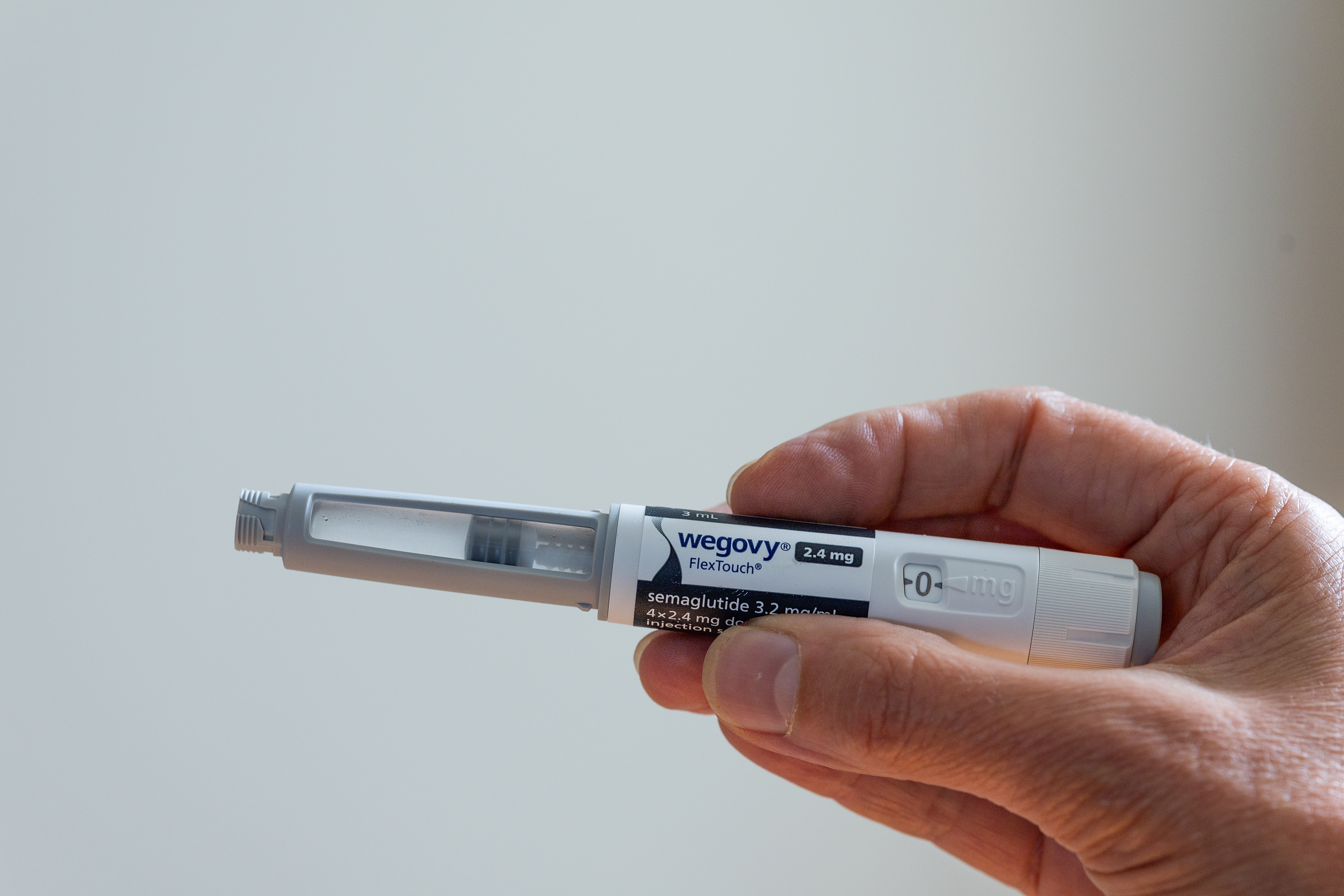
Wegovy and Ozempic have the same active ingredient, semaglutide.

“Technically, they are exactly the same,” Dr. Maria Daniela Hurtado Andrade, an endocrinologist at the Mayo Clinic’s Precision Medicine for Obesity program, tells TODAY.com. Hurtado Andrade is a consultant for Novo Nordisk.

But, “practically, insurance companies will not cover Ozempic for the treatment of overweight or obesity,” she clarifies.

Ozempic is approved to treat Type 2 diabetes by the U.S. Food and Drug Administration, while Wegovy is approved specifically for weight management in people with obesity or those who are overweight and have a complication like high blood pressure.

Another difference between the two is the dosage, she notes. Wegovy doses go up higher, up to 2.4 milligrams weekly, versus 2 milligrams maximum for Ozempic.

It’s not unusual for doctors to prescribe Ozempic off-label for weight loss, Hurtado Andrade says. It’s becoming less common as supply issues that made Wegovy hard to find have improved, McGowan adds.

Novo Nordisk says Wegovy and Ozempic are not interchangeable.

What does semaglutide do to the body?

Semaglutide is a synthetic version of a hormone known as GLP-1, which the body releases into the intestine when people eat food, as TODAY.com previously reported.

It signals to the brain that you’ve had a meal, so patients have reduced appetite, and when they do eat, they feel full sooner. The medication also slows down stomach emptying, which may contribute to the feeling of fullness.

Adults with obesity or who were overweight lost 15% of their body weight on average after taking Wegovy for one year and four months, according to Novo Nordisk.

Four years after starting semaglutide, patients maintained an average weight loss of 10% of their body weight, a peer-reviewed 2024 study funded by Novo Nordisk found.

Doctors say the drug’s effects on the body can make people with obesity healthier.

“On average, people lose a significant amount of weight. And along with that, other elements of their health then often get better, too,” Dr. Cecilia Low Wang, endocrinologist at UCHealth and professor at University of Colorado School of Medicine, tells TODAY.com.

Low Wang, who chairs the FDA’s Endocrinologic and Metabolic Drugs Advisory Committee, says she’s expressing her own views, and not speaking on behalf of the panel or the FDA.

Obesity is a risk factor for Type 2 diabetes, high cholesterol, heart disease, cancer and mental health conditions like depression and anxiety, Hurtado Andrade adds.

“Keeping in mind that obesity is at the core of many of these diseases, treating obesity can truly have a cascade effect of clinical benefits,” she notes. “These are life-changing medications.”

The FDA has approved Wegovy to reduce heart attack and stroke risk. In 2025, the agency also approved it to treat a serious form of liver disease known as metabolic-associated steatohepatitis (MASH), noting Wegovy’s effect on the body may improve liver inflammation and scarring.

Meanwhile, a 2025 study found GLP-1 drugs, including semaglutide, “probably have little or no effect” on a person’s risk of developing obesity-related cancers.

“It’s not that GLP-1 does not reduce the risk of cancer; I don’t think we can make that conclusion from our study,” co-author Dr. Cho-Han Chiang told NBC News. “I would say GLP-1 (drugs) probably do not increase the risk of cancer. It’s a little different.”

Growing evidence suggests GLP-1 drugs, including semaglutide, may reduce the craving for alcohol, helping people with addiction.

What are the side effects?

The most common side effects of Ozempic and Wegovy include nausea, stomach pain, diarrhea, constipation and vomiting, according to the manufacturer.

In the 2025 RAND survey, about half of patients taking a GLP-1 drug said they experienced nausea and one-third experienced diarrhea.

Wegovy patients may also commonly experience headache, fatigue, upset stomach, dizziness, feeling bloated, belching, gas, stomach flu, heartburn, and runny nose or sore throat, Novo Nordisk notes.

Potential serious side effects for Ozempic and Wegovy include possible thyroid tumors, including cancer; pancreatitis, vision changes, low blood sugar, kidney failure, gallbladder problems and serious allergic reactions, according to Novo Nordisk.

Wegovy patients may also experience an increased heart rate, and depression or thoughts of suicide, the company says.

Muscles

Another concern may be muscle loss, Low Wang says.

Currently available data on body composition do not indicate an association of greater lean body mass loss over fat mass loss with semaglutide treatment, Novo Nordisk says. No safety signal been found so far when it comes to lean mass loss with semaglutide, it adds.

Still, “dietary protein should be a priority to help preserve muscle mass” in people taking GLP-1 medications, experts urged in a 2025 advisory published in The American Journal of Clinical Nutrition.

Foods to eat while taking Ozempic include fish, eggs, Greek yogurt, cottage cheese, nuts and seeds.

Arthritis

The use of GLP-1 drugs is associated with an 11% increase in arthritis risk, according to a large study published in Nature Medicine in January 2025.

The study didn’t specify which GLP-1 medications were included in the research, but “it is reasonable to assume that semaglutide was among them,” Novo Nordisk said in a statement.

The company didn’t address the arthritis risk finding specifically, but said it welcomes independent research investigating the safety, efficacy and clinical utility of its products.

It also pointed out obesity is a major risk factor for developing osteoarthritis of the knee and hip, while weight loss is associated with an improvement in arthritis, according to studies.

Research funded by Novo Nordisk and published in The New England Journal of Medicine in 2024, found people with knee osteoarthritis who were treated with semaglutide for 68 weeks had significantly less knee pain than those receiving a placebo. Weight loss that resulted from the drug was probably “a major contributor” since it led to less stress on the knee joints, the authors wrote.

Semaglutide is not approved in the U.S. for the treatment of knee osteoarthritis, the company notes.

Stomach

In 2023, Novo Nordisk was sued by a woman with Type 2 diabetes who alleged Ozempic was among medications that caused gastroparesis, or stomach paralysis.

A spokesperson for the company noted that gastroparesis is a known risk for people with diabetes and that “patient safety is of utmost importance to Novo Nordisk.”

Gastroparesis is not mentioned in the prescribing information for Ozempic or Wegovy, but delayed gastric emptying is mentioned for each drug.

People who take GLP-1 medications may be at an increased risk of severe stomach problems such as gastroparesis, research published in JAMA in 2023 found.

“These adverse events, although rare, must be considered by patients who are contemplating using the drugs for weight loss,” the authors wrote.

Eyes

Some of the newest research has focused on how the medication might impact vision. There’s no cause for alarm, since the overall risk in terms of how many people are potentially affected is still very small, experts say. But it’s important to monitor patients for any problems and pay attention to symptoms, they add.

Macular Degeneration

In June 2025, a large study of older adults with Type 2 diabetes found those who took a GLP-1 drug had a “substantially higher risk” of developing a rare type of age-related macular degeneration — an eye disease that causes blindness — than people with diabetes who didn’t take the medication.

The findings are based on data from 139,000 Canadians who were at least 66 years old and were diagnosed with diabetes.

Of those, 46,000 patients had taken a GLP-1 drug — semaglutide in most cases — for at least six months. The rest of the group didn’t take a GLP-1.

Researchers followed everyone for three years to see how many developed neovascular or “wet” AMD. The condition makes up only 10% of age-related macular degeneration cases, but causes most of the vision loss, according to the National Library of Medicine.

The absolute risk was still low, but more than twice as many patients who took a GLP-1 developed neovascular AMD compared to people who didn’t use the medication — 0.2% vs. 0.1%, the authors noted.

The risk was more than three times as high among patients who had been taking a GLP-1 drug the longest, the study found.

The paper found an association, not causality, the researchers point out.

“We believe these findings should not cause alarm, but they should encourage greater awareness,” study co-author Andrew Mihalache, a member of the Temerty Faculty of Medicine at the University of Toronto, tells TODAY.com.

“GLP-1 drugs offer important benefits for cardiovascular health, kidney health and weight management, and those benefits remain very significant. However, patients who may be at higher risk for wet age-related macular degeneration, such as older adults, should be aware of the possibility of new visual symptoms.”

The exact reasons are unknown, but one explanation is that if blood sugar drops too quickly or too sharply in certain patients, this may unexpectedly affect the retina — the light-sensitive tissue at the back of the eye, which contains GLP-1 receptors, the authors say.

The findings suggest as many as 1 in 1,000 GLP-1 users could progress to “wet” AMD over unexposed patients, wrote Dr. Brian VanderBeek, an associate professor of ophthalmology at the Hospital of the University of Pennsylvania, in a commentary accompanying the study.

“If this risk was carried over millions of users, those affected could end up being a sizable group of patients,” VanderBeek noted.

More studies are needed to find out if this is an adverse effect only in patients with diabetes or if people taking GLP-1 drugs for weight loss are also at risk, VanderBeek added.

At this time, there’s no evidence to suggest patients in their 20s, 30s or 40s should stop taking a GLP-1 drug because of the risk of wet age-related macular degeneration, which is exceedingly rare in anyone under 50, the authors note.

There’s also not enough data to recommend more frequent eye screening specifically for patients taking GLP-1 drugs, they add.

But people who notice any new changes in their vision while taking these medications should promptly inform their doctor or see an eye care specialist, they urge.

When asked about the study, Novo Nordisk said it “remains confident in the benefit-risk profile of our GLP-1 medicines, when used consistent with their indications and product labeling.”

“Semaglutide’s efficacy and safety have been extensively demonstrated in people with obesity/overweight with robust evidence for improving health outcomes,” the company noted in a statement to TODAY.com.

Nonarteritic Anterior Ischemic Optic Neuropathy (NAION)

Earlier in 2025, a small study in JAMA Ophthalmology focused on eye complications experienced by nine people who took GLP-1 antidiabetic drugs, including semaglutide.

The review featured four semaglutide patients who developed nonarteritic anterior ischemic optic neuropathy (NAION), an optic nerve injury that can cause blindness, according to the American Academy of Ophthalmology. A previous study suggested people taking semaglutide may be at increased risk for this condition, described as “a stroke of the optic nerve.”

But the authors of both papers said they can’t determine if the antidiabetic drugs cause eye complications until large clinical trials are done.

It’s possible that the rapid correction of high blood sugar induced by GLP-1 drugs rather than a toxic effect “could be a possible mechanism for vision loss,” the 2025 study noted.

NAION is a very rare eye disease, and it’s not an adverse drug reaction listed on the labels for semaglutide in the form of Ozempic, Rybelsus and Wegovy, Novo Nordisk said in a statement.

Data from clinical trials don’t suggest a causal relationship between the drug and NAION, it added.

“After a thorough evaluation of studies from the University of Southern Denmark and Novo Nordisk’s internal safety assessment, Novo Nordisk is of the opinion that the benefit-risk profile of semaglutide remains unchanged,” the company noted.

“We take all reports about adverse events from use of our medicines very seriously. This also relates to eye conditions, which are well-known comorbidities for people living with diabetes.”

More studies are needed, but “this is an important issue for ophthalmologists as we monitor usage of these drugs,” said Dr. Bradley Katz, the lead author of the 2025 study and ophthalmologist at University of Utah Health, in a statement.

Patients who experience sudden vision loss should stop taking the drugs and see a doctor immediately, Katz advised.

How long do you stay on Ozempic for weight loss?

Obesity often requires ongoing treatment, and most people “will have difficulty sustaining weight loss” after stopping the medication, Novo Nordisk says.

Several doctors interviewed by TODAY.com believe semaglutide needs to be taken for years, decades or possibly life.

Obesity is a chronic condition that needs chronic treatment, just like high blood pressure does, Low Wang says.

“It’s likely to be a lifelong medication,” she notes.

“It is a drug that we anticipate will require long-term use,” Hurtado Andrade adds. “We’re putting you on a treatment that is treating the biological basis of the disease, and if you stop that medication, then you’re not going to have that effect, and you’re very likely to regain the weight back.”

Starting semaglutide is a commitment to stay on it long term, McGowan says.

“Someone who’s considering taking a GLP-1 medication like semaglutide must plan to take it indefinitely,” he notes. “The GLP-1 medications are designed to be used in one way and only one way, which is continuously. That means a long-term, essentially lifelong use once you start it.”

McGowan’s biggest concern is that a patient will discontinue their medication, which can lead to weight regain and recurrence of hunger that “can be extreme,” he says.

But other doctors say more long-term data is needed before committing patients to this drug for life.

“I understand there is an argument that obesity is a chronic disease like hypertension, diabetes, and once you need to be on it, you should be on it for lifetime. But I don’t think the data is there for the effectiveness of this class of drug on a long-term basis. There is a potential, but we’re not there,” Dr. Zhaoping Li, professor of medicine and chief of the division of clinical nutrition at the University of California, Los Angeles, tells TODAY.com.

“We need to be vigilant to monitor all our patients carefully. The best use of this class of drug would be leveraging the window of opportunity provided by the drug to help patients to improve lifestyle for longevity and quality of life.”

Is Ozempic safe to take for life?

Semaglutide in Wegovy and Ozempic has demonstrated safety and effectiveness in over 30 clinical trials, Novo Nordisk says.

“Our GLP-1 products have a long history of use in treating Type 2 diabetes (over 19 years) and obesity (almost 10 years), supported by robust clinical data and over 22 million patient years of exposure,” the company notes in a statement.

Novo Nordisk also says it work closely with the FDA to monitor the safety of its medicines.

What about the possibility of a serious problem emerging years or decades down the road?

“We always worry about that. … We’re constantly on the lookout for new side effects,” Low Wang says. “(But) with semaglutide being out for this many years, so far nothing has emerged that’s been really new in terms of safety signals.”

She tells patients that the long-term safety of GLP-1 drugs isn’t known for sure, but doctors do have long-term experience with this class of medications.

So far, there’s no evidence long-term use is harmful, Hurtado Andrade adds.

Millions of patients are now using these medications, so it’s conceivable a rare, previously unidentified side effect may appear, but overall, “the concern is low that something new or unusual will emerge,” McGowan says. “It’s actually a very reassuring safety profile.”

With what’s known now, the three doctors say they’re comfortable prescribing semaglutide long-term for weight loss for a patient eligible for the medication.

With close monitoring by a health care provider, paying attention to any problems and periodically reassessing whether patients still need to be on the drug, “we can do this safely,” Low Wang says.

This story first appeared on TODAY.com. More from TODAY:

Want more insights? Join Working Title - our career elevating newsletter and get the future of work delivered weekly.
Is Ozempic safe for weight loss? What doctors want you to know

Ozempic started the weight-loss drug frenzy, and it continues to be a famous name in the fight against obesity, even though it’s not approved for that purpose.

The blockbuster medication is meant to treat Type 2 diabetes, but comes with weight loss as a celebrated side effect. It’s still the brand synonymous with a slimmer body.

“Most people have understood Ozempic as kind of a catch-all for the GLP-1 class of medications,” Dr. Christopher McGowan, a gastroenterologist who runs a weight loss clinic in Cary, North Carolina, tells TODAY.com.

GLP-1 drugs — which include Ozempic and its sister drug Wegovy, as well as Mounjaro and Zepbound — mimic at least one hormone produced by the gut to signal fullness, leading to a reduced appetite.

About 12% of Americans have taken one of these popular medications for weight loss, according to a 2025 report by RAND, a nonprofit research organization. Another 14% are interested in taking them.

There’s also growing interest among women to take GLP-1 drugs like semaglutide — the active ingredient in Ozempic and Wegovy — for weight loss while breastfeeding after giving birth.

Other people are microdosing semaglutide — taking much smaller doses than recommended — to save money and for other reasons, though many doctors warn against the practice.

Ozempic and Wegovy are expensive with a list price of about $1,000 a month when not covered by insurance, but more patients than ever may be able to afford the prescription drugs. In the fall of 2025, Novo Nordisk, the pharmaceutical company that makes them announced a steep discount for select doses.

Separately, the White House said it has reached a deal to lower the cost. Costco and Sam’s Club are also selling them at a discount.

Semaglutide in pill form is in the works and may be appealing to more people when it’s approved.

Journalist Johann Hari, who lost 42 pounds with Ozempic, calls the drugs a powerful tool, but also “a mass experiment, carried out on millions of people, and I am one of the guinea pigs.”

“There’s a concern that maybe they’ll have some effect that we just don’t know in the long term,” Hari told TODAY.com, echoing a worry other patients may have.

In December 2025, the World Health Organization recommended the long-term use of GLP-1 drugs — along with intensive behavioral therapy — for people living with obesity. But the recommendation is conditional “due to limited data on their long-term efficacy and safety.”

So is Ozempic safe? 

Novo Nordisk stands behind the safety and efficacy of all its GLP-1 medicines when they’re used as indicated and taken under the care of a licensed health care professional, it says in a statement to TODAY.com.

Here’s what doctors say:

Are Wegovy and Ozempic the same?

Wegovy and Ozempic have the same active ingredient, semaglutide.

“Technically, they are exactly the same,” Dr. Maria Daniela Hurtado Andrade, an endocrinologist at the Mayo Clinic’s Precision Medicine for Obesity program, tells TODAY.com. Hurtado Andrade is a consultant for Novo Nordisk.

But, “practically, insurance companies will not cover Ozempic for the treatment of overweight or obesity,” she clarifies.

Ozempic is approved to treat Type 2 diabetes by the U.S. Food and Drug Administration, while Wegovy is approved specifically for weight management in people with obesity or those who are overweight and have a complication like high blood pressure.

Another difference between the two is the dosage, she notes. Wegovy doses go up higher, up to 2.4 milligrams weekly, versus 2 milligrams maximum for Ozempic.

It’s not unusual for doctors to prescribe Ozempic off-label for weight loss, Hurtado Andrade says. It’s becoming less common as supply issues that made Wegovy hard to find have improved, McGowan adds.

Novo Nordisk says Wegovy and Ozempic are not interchangeable.

What does semaglutide do to the body?

Semaglutide is a synthetic version of a hormone known as GLP-1, which the body releases into the intestine when people eat food, as TODAY.com previously reported.

It signals to the brain that you’ve had a meal, so patients have reduced appetite, and when they do eat, they feel full sooner. The medication also slows down stomach emptying, which may contribute to the feeling of fullness.

Adults with obesity or who were overweight lost 15% of their body weight on average after taking Wegovy for one year and four months, according to Novo Nordisk.

Four years after starting semaglutide, patients maintained an average weight loss of 10% of their body weight, a peer-reviewed 2024 study funded by Novo Nordisk found.

Doctors say the drug’s effects on the body can make people with obesity healthier.

“On average, people lose a significant amount of weight. And along with that, other elements of their health then often get better, too,” Dr. Cecilia Low Wang, endocrinologist at UCHealth and professor at University of Colorado School of Medicine, tells TODAY.com.

Low Wang, who chairs the FDA’s Endocrinologic and Metabolic Drugs Advisory Committee, says she’s expressing her own views, and not speaking on behalf of the panel or the FDA.

Obesity is a risk factor for Type 2 diabetes, high cholesterol, heart disease, cancer and mental health conditions like depression and anxiety, Hurtado Andrade adds.

“Keeping in mind that obesity is at the core of many of these diseases, treating obesity can truly have a cascade effect of clinical benefits,” she notes. “These are life-changing medications.”

The FDA has approved Wegovy to reduce heart attack and stroke risk. In 2025, the agency also approved it to treat a serious form of liver disease known as metabolic-associated steatohepatitis (MASH), noting Wegovy’s effect on the body may improve liver inflammation and scarring.

Meanwhile, a 2025 study found GLP-1 drugs, including semaglutide, “probably have little or no effect” on a person’s risk of developing obesity-related cancers.

“It’s not that GLP-1 does not reduce the risk of cancer; I don’t think we can make that conclusion from our study,” co-author Dr. Cho-Han Chiang told NBC News. “I would say GLP-1 (drugs) probably do not increase the risk of cancer. It’s a little different.”

Growing evidence suggests GLP-1 drugs, including semaglutide, may reduce the craving for alcohol, helping people with addiction.

What are the side effects?

The most common side effects of Ozempic and Wegovy include nausea, stomach pain, diarrhea, constipation and vomiting, according to the manufacturer.

In the 2025 RAND survey, about half of patients taking a GLP-1 drug said they experienced nausea and one-third experienced diarrhea.

Wegovy patients may also commonly experience headache, fatigue, upset stomach, dizziness, feeling bloated, belching, gas, stomach flu, heartburn, and runny nose or sore throat, Novo Nordisk notes.

Potential serious side effects for Ozempic and Wegovy include possible thyroid tumors, including cancer; pancreatitis, vision changes, low blood sugar, kidney failure, gallbladder problems and serious allergic reactions, according to Novo Nordisk.

Wegovy patients may also experience an increased heart rate, and depression or thoughts of suicide, the company says.

Muscles

Another concern may be muscle loss, Low Wang says.

Currently available data on body composition do not indicate an association of greater lean body mass loss over fat mass loss with semaglutide treatment, Novo Nordisk says. No safety signal been found so far when it comes to lean mass loss with semaglutide, it adds.

Still, “dietary protein should be a priority to help preserve muscle mass” in people taking GLP-1 medications, experts urged in a 2025 advisory published in The American Journal of Clinical Nutrition.

Foods to eat while taking Ozempic include fish, eggs, Greek yogurt, cottage cheese, nuts and seeds.

Arthritis

The use of GLP-1 drugs is associated with an 11% increase in arthritis risk, according to a large study published in Nature Medicine in January 2025.

The study didn’t specify which GLP-1 medications were included in the research, but “it is reasonable to assume that semaglutide was among them,” Novo Nordisk said in a statement.

The company didn’t address the arthritis risk finding specifically, but said it welcomes independent research investigating the safety, efficacy and clinical utility of its products.

It also pointed out obesity is a major risk factor for developing osteoarthritis of the knee and hip, while weight loss is associated with an improvement in arthritis, according to studies.

Research funded by Novo Nordisk and published in The New England Journal of Medicine in 2024, found people with knee osteoarthritis who were treated with semaglutide for 68 weeks had significantly less knee pain than those receiving a placebo. Weight loss that resulted from the drug was probably “a major contributor” since it led to less stress on the knee joints, the authors wrote.

Semaglutide is not approved in the U.S. for the treatment of knee osteoarthritis, the company notes.

Stomach

In 2023, Novo Nordisk was sued by a woman with Type 2 diabetes who alleged Ozempic was among medications that caused gastroparesis, or stomach paralysis.

A spokesperson for the company noted that gastroparesis is a known risk for people with diabetes and that “patient safety is of utmost importance to Novo Nordisk.”

Gastroparesis is not mentioned in the prescribing information for Ozempic or Wegovy, but delayed gastric emptying is mentioned for each drug.

People who take GLP-1 medications may be at an increased risk of severe stomach problems such as gastroparesis, research published in JAMA in 2023 found.

“These adverse events, although rare, must be considered by patients who are contemplating using the drugs for weight loss,” the authors wrote.

Eyes

Some of the newest research has focused on how the medication might impact vision. There’s no cause for alarm, since the overall risk in terms of how many people are potentially affected is still very small, experts say. But it’s important to monitor patients for any problems and pay attention to symptoms, they add.

Macular Degeneration

In June 2025, a large study of older adults with Type 2 diabetes found those who took a GLP-1 drug had a “substantially higher risk” of developing a rare type of age-related macular degeneration — an eye disease that causes blindness — than people with diabetes who didn’t take the medication.

The findings are based on data from 139,000 Canadians who were at least 66 years old and were diagnosed with diabetes.

Of those, 46,000 patients had taken a GLP-1 drug — semaglutide in most cases — for at least six months. The rest of the group didn’t take a GLP-1.

Researchers followed everyone for three years to see how many developed neovascular or “wet” AMD. The condition makes up only 10% of age-related macular degeneration cases, but causes most of the vision loss, according to the National Library of Medicine.

The absolute risk was still low, but more than twice as many patients who took a GLP-1 developed neovascular AMD compared to people who didn’t use the medication — 0.2% vs. 0.1%, the authors noted.

The risk was more than three times as high among patients who had been taking a GLP-1 drug the longest, the study found.

The paper found an association, not causality, the researchers point out.

“We believe these findings should not cause alarm, but they should encourage greater awareness,” study co-author Andrew Mihalache, a member of the Temerty Faculty of Medicine at the University of Toronto, tells TODAY.com.

“GLP-1 drugs offer important benefits for cardiovascular health, kidney health and weight management, and those benefits remain very significant. However, patients who may be at higher risk for wet age-related macular degeneration, such as older adults, should be aware of the possibility of new visual symptoms.”

The exact reasons are unknown, but one explanation is that if blood sugar drops too quickly or too sharply in certain patients, this may unexpectedly affect the retina — the light-sensitive tissue at the back of the eye, which contains GLP-1 receptors, the authors say.

The findings suggest as many as 1 in 1,000 GLP-1 users could progress to “wet” AMD over unexposed patients, wrote Dr. Brian VanderBeek, an associate professor of ophthalmology at the Hospital of the University of Pennsylvania, in a commentary accompanying the study.

“If this risk was carried over millions of users, those affected could end up being a sizable group of patients,” VanderBeek noted.

More studies are needed to find out if this is an adverse effect only in patients with diabetes or if people taking GLP-1 drugs for weight loss are also at risk, VanderBeek added.

At this time, there’s no evidence to suggest patients in their 20s, 30s or 40s should stop taking a GLP-1 drug because of the risk of wet age-related macular degeneration, which is exceedingly rare in anyone under 50, the authors note.

There’s also not enough data to recommend more frequent eye screening specifically for patients taking GLP-1 drugs, they add.

But people who notice any new changes in their vision while taking these medications should promptly inform their doctor or see an eye care specialist, they urge.

When asked about the study, Novo Nordisk said it “remains confident in the benefit-risk profile of our GLP-1 medicines, when used consistent with their indications and product labeling.”

“Semaglutide’s efficacy and safety have been extensively demonstrated in people with obesity/overweight with robust evidence for improving health outcomes,” the company noted in a statement to TODAY.com.

Nonarteritic Anterior Ischemic Optic Neuropathy (NAION)

Earlier in 2025, a small study in JAMA Ophthalmology focused on eye complications experienced by nine people who took GLP-1 antidiabetic drugs, including semaglutide.

The review featured four semaglutide patients who developed nonarteritic anterior ischemic optic neuropathy (NAION), an optic nerve injury that can cause blindness, according to the American Academy of Ophthalmology. A previous study suggested people taking semaglutide may be at increased risk for this condition, described as “a stroke of the optic nerve.”

But the authors of both papers said they can’t determine if the antidiabetic drugs cause eye complications until large clinical trials are done.

It’s possible that the rapid correction of high blood sugar induced by GLP-1 drugs rather than a toxic effect “could be a possible mechanism for vision loss,” the 2025 study noted.

NAION is a very rare eye disease, and it’s not an adverse drug reaction listed on the labels for semaglutide in the form of Ozempic, Rybelsus and Wegovy, Novo Nordisk said in a statement.

Data from clinical trials don’t suggest a causal relationship between the drug and NAION, it added.

“After a thorough evaluation of studies from the University of Southern Denmark and Novo Nordisk’s internal safety assessment, Novo Nordisk is of the opinion that the benefit-risk profile of semaglutide remains unchanged,” the company noted.

“We take all reports about adverse events from use of our medicines very seriously. This also relates to eye conditions, which are well-known comorbidities for people living with diabetes.”

More studies are needed, but “this is an important issue for ophthalmologists as we monitor usage of these drugs,” said Dr. Bradley Katz, the lead author of the 2025 study and ophthalmologist at University of Utah Health, in a statement.

Patients who experience sudden vision loss should stop taking the drugs and see a doctor immediately, Katz advised.

How long do you stay on Ozempic for weight loss?

Obesity often requires ongoing treatment, and most people “will have difficulty sustaining weight loss” after stopping the medication, Novo Nordisk says.

Several doctors interviewed by TODAY.com believe semaglutide needs to be taken for years, decades or possibly life.

Obesity is a chronic condition that needs chronic treatment, just like high blood pressure does, Low Wang says.

“It’s likely to be a lifelong medication,” she notes.

“It is a drug that we anticipate will require long-term use,” Hurtado Andrade adds. “We’re putting you on a treatment that is treating the biological basis of the disease, and if you stop that medication, then you’re not going to have that effect, and you’re very likely to regain the weight back.”

Starting semaglutide is a commitment to stay on it long term, McGowan says.

“Someone who’s considering taking a GLP-1 medication like semaglutide must plan to take it indefinitely,” he notes. “The GLP-1 medications are designed to be used in one way and only one way, which is continuously. That means a long-term, essentially lifelong use once you start it.”

McGowan’s biggest concern is that a patient will discontinue their medication, which can lead to weight regain and recurrence of hunger that “can be extreme,” he says.

But other doctors say more long-term data is needed before committing patients to this drug for life.

“I understand there is an argument that obesity is a chronic disease like hypertension, diabetes, and once you need to be on it, you should be on it for lifetime. But I don’t think the data is there for the effectiveness of this class of drug on a long-term basis. There is a potential, but we’re not there,” Dr. Zhaoping Li, professor of medicine and chief of the division of clinical nutrition at the University of California, Los Angeles, tells TODAY.com.

“We need to be vigilant to monitor all our patients carefully. The best use of this class of drug would be leveraging the window of opportunity provided by the drug to help patients to improve lifestyle for longevity and quality of life.”

Is Ozempic safe to take for life?

Semaglutide in Wegovy and Ozempic has demonstrated safety and effectiveness in over 30 clinical trials, Novo Nordisk says.

“Our GLP-1 products have a long history of use in treating Type 2 diabetes (over 19 years) and obesity (almost 10 years), supported by robust clinical data and over 22 million patient years of exposure,” the company notes in a statement.

Novo Nordisk also says it work closely with the FDA to monitor the safety of its medicines.

What about the possibility of a serious problem emerging years or decades down the road?

“We always worry about that. … We’re constantly on the lookout for new side effects,” Low Wang says. “(But) with semaglutide being out for this many years, so far nothing has emerged that’s been really new in terms of safety signals.”

She tells patients that the long-term safety of GLP-1 drugs isn’t known for sure, but doctors do have long-term experience with this class of medications.

So far, there’s no evidence long-term use is harmful, Hurtado Andrade adds.

Millions of patients are now using these medications, so it’s conceivable a rare, previously unidentified side effect may appear, but overall, “the concern is low that something new or unusual will emerge,” McGowan says. “It’s actually a very reassuring safety profile.”

With what’s known now, the three doctors say they’re comfortable prescribing semaglutide long-term for weight loss for a patient eligible for the medication.

With close monitoring by a health care provider, paying attention to any problems and periodically reassessing whether patients still need to be on the drug, “we can do this safely,” Low Wang says.

This story first appeared on TODAY.com. More from TODAY:

Want more insights? Join Working Title - our career elevating newsletter and get the future of work delivered weekly.
Is Ozempic safe for weight loss? What doctors want you to know

Ozempic started the weight-loss drug frenzy, and it continues to be a famous name in the fight against obesity, even though it’s not approved for that purpose.

The blockbuster medication is meant to treat Type 2 diabetes, but comes with weight loss as a celebrated side effect. It’s still the brand synonymous with a slimmer body.

“Most people have understood Ozempic as kind of a catch-all for the GLP-1 class of medications,” Dr. Christopher McGowan, a gastroenterologist who runs a weight loss clinic in Cary, North Carolina, tells TODAY.com.

GLP-1 drugs — which include Ozempic and its sister drug Wegovy, as well as Mounjaro and Zepbound — mimic at least one hormone produced by the gut to signal fullness, leading to a reduced appetite.

About 12% of Americans have taken one of these popular medications for weight loss, according to a 2025 report by RAND, a nonprofit research organization. Another 14% are interested in taking them.

There’s also growing interest among women to take GLP-1 drugs like semaglutide — the active ingredient in Ozempic and Wegovy — for weight loss while breastfeeding after giving birth.

Other people are microdosing semaglutide — taking much smaller doses than recommended — to save money and for other reasons, though many doctors warn against the practice.

Ozempic and Wegovy are expensive with a list price of about $1,000 a month when not covered by insurance, but more patients than ever may be able to afford the prescription drugs. In the fall of 2025, Novo Nordisk, the pharmaceutical company that makes them announced a steep discount for select doses.

Separately, the White House said it has reached a deal to lower the cost. Costco and Sam’s Club are also selling them at a discount.

Semaglutide in pill form is in the works and may be appealing to more people when it’s approved.

Journalist Johann Hari, who lost 42 pounds with Ozempic, calls the drugs a powerful tool, but also “a mass experiment, carried out on millions of people, and I am one of the guinea pigs.”

“There’s a concern that maybe they’ll have some effect that we just don’t know in the long term,” Hari told TODAY.com, echoing a worry other patients may have.

In December 2025, the World Health Organization recommended the long-term use of GLP-1 drugs — along with intensive behavioral therapy — for people living with obesity. But the recommendation is conditional “due to limited data on their long-term efficacy and safety.”

So is Ozempic safe? 

Novo Nordisk stands behind the safety and efficacy of all its GLP-1 medicines when they’re used as indicated and taken under the care of a licensed health care professional, it says in a statement to TODAY.com.

Here’s what doctors say:

Are Wegovy and Ozempic the same?

Wegovy and Ozempic have the same active ingredient, semaglutide.

“Technically, they are exactly the same,” Dr. Maria Daniela Hurtado Andrade, an endocrinologist at the Mayo Clinic’s Precision Medicine for Obesity program, tells TODAY.com. Hurtado Andrade is a consultant for Novo Nordisk.

But, “practically, insurance companies will not cover Ozempic for the treatment of overweight or obesity,” she clarifies.

Ozempic is approved to treat Type 2 diabetes by the U.S. Food and Drug Administration, while Wegovy is approved specifically for weight management in people with obesity or those who are overweight and have a complication like high blood pressure.

Another difference between the two is the dosage, she notes. Wegovy doses go up higher, up to 2.4 milligrams weekly, versus 2 milligrams maximum for Ozempic.

It’s not unusual for doctors to prescribe Ozempic off-label for weight loss, Hurtado Andrade says. It’s becoming less common as supply issues that made Wegovy hard to find have improved, McGowan adds.

Novo Nordisk says Wegovy and Ozempic are not interchangeable.

What does semaglutide do to the body?

Semaglutide is a synthetic version of a hormone known as GLP-1, which the body releases into the intestine when people eat food, as TODAY.com previously reported.

It signals to the brain that you’ve had a meal, so patients have reduced appetite, and when they do eat, they feel full sooner. The medication also slows down stomach emptying, which may contribute to the feeling of fullness.

Adults with obesity or who were overweight lost 15% of their body weight on average after taking Wegovy for one year and four months, according to Novo Nordisk.

Four years after starting semaglutide, patients maintained an average weight loss of 10% of their body weight, a peer-reviewed 2024 study funded by Novo Nordisk found.

Doctors say the drug’s effects on the body can make people with obesity healthier.

“On average, people lose a significant amount of weight. And along with that, other elements of their health then often get better, too,” Dr. Cecilia Low Wang, endocrinologist at UCHealth and professor at University of Colorado School of Medicine, tells TODAY.com.

Low Wang, who chairs the FDA’s Endocrinologic and Metabolic Drugs Advisory Committee, says she’s expressing her own views, and not speaking on behalf of the panel or the FDA.

Obesity is a risk factor for Type 2 diabetes, high cholesterol, heart disease, cancer and mental health conditions like depression and anxiety, Hurtado Andrade adds.

“Keeping in mind that obesity is at the core of many of these diseases, treating obesity can truly have a cascade effect of clinical benefits,” she notes. “These are life-changing medications.”

The FDA has approved Wegovy to reduce heart attack and stroke risk. In 2025, the agency also approved it to treat a serious form of liver disease known as metabolic-associated steatohepatitis (MASH), noting Wegovy’s effect on the body may improve liver inflammation and scarring.

Meanwhile, a 2025 study found GLP-1 drugs, including semaglutide, “probably have little or no effect” on a person’s risk of developing obesity-related cancers.

“It’s not that GLP-1 does not reduce the risk of cancer; I don’t think we can make that conclusion from our study,” co-author Dr. Cho-Han Chiang told NBC News. “I would say GLP-1 (drugs) probably do not increase the risk of cancer. It’s a little different.”

Growing evidence suggests GLP-1 drugs, including semaglutide, may reduce the craving for alcohol, helping people with addiction.

What are the side effects?

The most common side effects of Ozempic and Wegovy include nausea, stomach pain, diarrhea, constipation and vomiting, according to the manufacturer.

In the 2025 RAND survey, about half of patients taking a GLP-1 drug said they experienced nausea and one-third experienced diarrhea.

Wegovy patients may also commonly experience headache, fatigue, upset stomach, dizziness, feeling bloated, belching, gas, stomach flu, heartburn, and runny nose or sore throat, Novo Nordisk notes.

Potential serious side effects for Ozempic and Wegovy include possible thyroid tumors, including cancer; pancreatitis, vision changes, low blood sugar, kidney failure, gallbladder problems and serious allergic reactions, according to Novo Nordisk.

Wegovy patients may also experience an increased heart rate, and depression or thoughts of suicide, the company says.

Muscles

Another concern may be muscle loss, Low Wang says.

Currently available data on body composition do not indicate an association of greater lean body mass loss over fat mass loss with semaglutide treatment, Novo Nordisk says. No safety signal been found so far when it comes to lean mass loss with semaglutide, it adds.

Still, “dietary protein should be a priority to help preserve muscle mass” in people taking GLP-1 medications, experts urged in a 2025 advisory published in The American Journal of Clinical Nutrition.

Foods to eat while taking Ozempic include fish, eggs, Greek yogurt, cottage cheese, nuts and seeds.

Arthritis

The use of GLP-1 drugs is associated with an 11% increase in arthritis risk, according to a large study published in Nature Medicine in January 2025.

The study didn’t specify which GLP-1 medications were included in the research, but “it is reasonable to assume that semaglutide was among them,” Novo Nordisk said in a statement.

The company didn’t address the arthritis risk finding specifically, but said it welcomes independent research investigating the safety, efficacy and clinical utility of its products.

It also pointed out obesity is a major risk factor for developing osteoarthritis of the knee and hip, while weight loss is associated with an improvement in arthritis, according to studies.

Research funded by Novo Nordisk and published in The New England Journal of Medicine in 2024, found people with knee osteoarthritis who were treated with semaglutide for 68 weeks had significantly less knee pain than those receiving a placebo. Weight loss that resulted from the drug was probably “a major contributor” since it led to less stress on the knee joints, the authors wrote.

Semaglutide is not approved in the U.S. for the treatment of knee osteoarthritis, the company notes.

Stomach

In 2023, Novo Nordisk was sued by a woman with Type 2 diabetes who alleged Ozempic was among medications that caused gastroparesis, or stomach paralysis.

A spokesperson for the company noted that gastroparesis is a known risk for people with diabetes and that “patient safety is of utmost importance to Novo Nordisk.”

Gastroparesis is not mentioned in the prescribing information for Ozempic or Wegovy, but delayed gastric emptying is mentioned for each drug.

People who take GLP-1 medications may be at an increased risk of severe stomach problems such as gastroparesis, research published in JAMA in 2023 found.

“These adverse events, although rare, must be considered by patients who are contemplating using the drugs for weight loss,” the authors wrote.

Eyes

Some of the newest research has focused on how the medication might impact vision. There’s no cause for alarm, since the overall risk in terms of how many people are potentially affected is still very small, experts say. But it’s important to monitor patients for any problems and pay attention to symptoms, they add.

Macular Degeneration

In June 2025, a large study of older adults with Type 2 diabetes found those who took a GLP-1 drug had a “substantially higher risk” of developing a rare type of age-related macular degeneration — an eye disease that causes blindness — than people with diabetes who didn’t take the medication.

The findings are based on data from 139,000 Canadians who were at least 66 years old and were diagnosed with diabetes.

Of those, 46,000 patients had taken a GLP-1 drug — semaglutide in most cases — for at least six months. The rest of the group didn’t take a GLP-1.

Researchers followed everyone for three years to see how many developed neovascular or “wet” AMD. The condition makes up only 10% of age-related macular degeneration cases, but causes most of the vision loss, according to the National Library of Medicine.

The absolute risk was still low, but more than twice as many patients who took a GLP-1 developed neovascular AMD compared to people who didn’t use the medication — 0.2% vs. 0.1%, the authors noted.

The risk was more than three times as high among patients who had been taking a GLP-1 drug the longest, the study found.

The paper found an association, not causality, the researchers point out.

“We believe these findings should not cause alarm, but they should encourage greater awareness,” study co-author Andrew Mihalache, a member of the Temerty Faculty of Medicine at the University of Toronto, tells TODAY.com.

“GLP-1 drugs offer important benefits for cardiovascular health, kidney health and weight management, and those benefits remain very significant. However, patients who may be at higher risk for wet age-related macular degeneration, such as older adults, should be aware of the possibility of new visual symptoms.”

The exact reasons are unknown, but one explanation is that if blood sugar drops too quickly or too sharply in certain patients, this may unexpectedly affect the retina — the light-sensitive tissue at the back of the eye, which contains GLP-1 receptors, the authors say.

The findings suggest as many as 1 in 1,000 GLP-1 users could progress to “wet” AMD over unexposed patients, wrote Dr. Brian VanderBeek, an associate professor of ophthalmology at the Hospital of the University of Pennsylvania, in a commentary accompanying the study.

“If this risk was carried over millions of users, those affected could end up being a sizable group of patients,” VanderBeek noted.

More studies are needed to find out if this is an adverse effect only in patients with diabetes or if people taking GLP-1 drugs for weight loss are also at risk, VanderBeek added.

At this time, there’s no evidence to suggest patients in their 20s, 30s or 40s should stop taking a GLP-1 drug because of the risk of wet age-related macular degeneration, which is exceedingly rare in anyone under 50, the authors note.

There’s also not enough data to recommend more frequent eye screening specifically for patients taking GLP-1 drugs, they add.

But people who notice any new changes in their vision while taking these medications should promptly inform their doctor or see an eye care specialist, they urge.

When asked about the study, Novo Nordisk said it “remains confident in the benefit-risk profile of our GLP-1 medicines, when used consistent with their indications and product labeling.”

“Semaglutide’s efficacy and safety have been extensively demonstrated in people with obesity/overweight with robust evidence for improving health outcomes,” the company noted in a statement to TODAY.com.

Nonarteritic Anterior Ischemic Optic Neuropathy (NAION)

Earlier in 2025, a small study in JAMA Ophthalmology focused on eye complications experienced by nine people who took GLP-1 antidiabetic drugs, including semaglutide.

The review featured four semaglutide patients who developed nonarteritic anterior ischemic optic neuropathy (NAION), an optic nerve injury that can cause blindness, according to the American Academy of Ophthalmology. A previous study suggested people taking semaglutide may be at increased risk for this condition, described as “a stroke of the optic nerve.”

But the authors of both papers said they can’t determine if the antidiabetic drugs cause eye complications until large clinical trials are done.

It’s possible that the rapid correction of high blood sugar induced by GLP-1 drugs rather than a toxic effect “could be a possible mechanism for vision loss,” the 2025 study noted.

NAION is a very rare eye disease, and it’s not an adverse drug reaction listed on the labels for semaglutide in the form of Ozempic, Rybelsus and Wegovy, Novo Nordisk said in a statement.

Data from clinical trials don’t suggest a causal relationship between the drug and NAION, it added.

“After a thorough evaluation of studies from the University of Southern Denmark and Novo Nordisk’s internal safety assessment, Novo Nordisk is of the opinion that the benefit-risk profile of semaglutide remains unchanged,” the company noted.

“We take all reports about adverse events from use of our medicines very seriously. This also relates to eye conditions, which are well-known comorbidities for people living with diabetes.”

More studies are needed, but “this is an important issue for ophthalmologists as we monitor usage of these drugs,” said Dr. Bradley Katz, the lead author of the 2025 study and ophthalmologist at University of Utah Health, in a statement.

Patients who experience sudden vision loss should stop taking the drugs and see a doctor immediately, Katz advised.

How long do you stay on Ozempic for weight loss?

Obesity often requires ongoing treatment, and most people “will have difficulty sustaining weight loss” after stopping the medication, Novo Nordisk says.

Several doctors interviewed by TODAY.com believe semaglutide needs to be taken for years, decades or possibly life.

Obesity is a chronic condition that needs chronic treatment, just like high blood pressure does, Low Wang says.

“It’s likely to be a lifelong medication,” she notes.

“It is a drug that we anticipate will require long-term use,” Hurtado Andrade adds. “We’re putting you on a treatment that is treating the biological basis of the disease, and if you stop that medication, then you’re not going to have that effect, and you’re very likely to regain the weight back.”

Starting semaglutide is a commitment to stay on it long term, McGowan says.

“Someone who’s considering taking a GLP-1 medication like semaglutide must plan to take it indefinitely,” he notes. “The GLP-1 medications are designed to be used in one way and only one way, which is continuously. That means a long-term, essentially lifelong use once you start it.”

McGowan’s biggest concern is that a patient will discontinue their medication, which can lead to weight regain and recurrence of hunger that “can be extreme,” he says.

But other doctors say more long-term data is needed before committing patients to this drug for life.

“I understand there is an argument that obesity is a chronic disease like hypertension, diabetes, and once you need to be on it, you should be on it for lifetime. But I don’t think the data is there for the effectiveness of this class of drug on a long-term basis. There is a potential, but we’re not there,” Dr. Zhaoping Li, professor of medicine and chief of the division of clinical nutrition at the University of California, Los Angeles, tells TODAY.com.

“We need to be vigilant to monitor all our patients carefully. The best use of this class of drug would be leveraging the window of opportunity provided by the drug to help patients to improve lifestyle for longevity and quality of life.”

Is Ozempic safe to take for life?

Semaglutide in Wegovy and Ozempic has demonstrated safety and effectiveness in over 30 clinical trials, Novo Nordisk says.

“Our GLP-1 products have a long history of use in treating Type 2 diabetes (over 19 years) and obesity (almost 10 years), supported by robust clinical data and over 22 million patient years of exposure,” the company notes in a statement.

Novo Nordisk also says it work closely with the FDA to monitor the safety of its medicines.

What about the possibility of a serious problem emerging years or decades down the road?

“We always worry about that. … We’re constantly on the lookout for new side effects,” Low Wang says. “(But) with semaglutide being out for this many years, so far nothing has emerged that’s been really new in terms of safety signals.”

She tells patients that the long-term safety of GLP-1 drugs isn’t known for sure, but doctors do have long-term experience with this class of medications.

So far, there’s no evidence long-term use is harmful, Hurtado Andrade adds.

Millions of patients are now using these medications, so it’s conceivable a rare, previously unidentified side effect may appear, but overall, “the concern is low that something new or unusual will emerge,” McGowan says. “It’s actually a very reassuring safety profile.”

With what’s known now, the three doctors say they’re comfortable prescribing semaglutide long-term for weight loss for a patient eligible for the medication.

With close monitoring by a health care provider, paying attention to any problems and periodically reassessing whether patients still need to be on the drug, “we can do this safely,” Low Wang says.

This story first appeared on TODAY.com. More from TODAY:

Want more insights? Join Working Title - our career elevating newsletter and get the future of work delivered weekly.
Is Ozempic safe for weight loss? What doctors want you to know

Ozempic started the weight-loss drug frenzy, and it continues to be a famous name in the fight against obesity, even though it’s not approved for that purpose.

The blockbuster medication is meant to treat Type 2 diabetes, but comes with weight loss as a celebrated side effect. It’s still the brand synonymous with a slimmer body.

“Most people have understood Ozempic as kind of a catch-all for the GLP-1 class of medications,” Dr. Christopher McGowan, a gastroenterologist who runs a weight loss clinic in Cary, North Carolina, tells TODAY.com.

GLP-1 drugs — which include Ozempic and its sister drug Wegovy, as well as Mounjaro and Zepbound — mimic at least one hormone produced by the gut to signal fullness, leading to a reduced appetite.

About 12% of Americans have taken one of these popular medications for weight loss, according to a 2025 report by RAND, a nonprofit research organization. Another 14% are interested in taking them.

There’s also growing interest among women to take GLP-1 drugs like semaglutide — the active ingredient in Ozempic and Wegovy — for weight loss while breastfeeding after giving birth.

Other people are microdosing semaglutide — taking much smaller doses than recommended — to save money and for other reasons, though many doctors warn against the practice.

Ozempic and Wegovy are expensive with a list price of about $1,000 a month when not covered by insurance, but more patients than ever may be able to afford the prescription drugs. In the fall of 2025, Novo Nordisk, the pharmaceutical company that makes them announced a steep discount for select doses.

Separately, the White House said it has reached a deal to lower the cost. Costco and Sam’s Club are also selling them at a discount.

Semaglutide in pill form is in the works and may be appealing to more people when it’s approved.

Journalist Johann Hari, who lost 42 pounds with Ozempic, calls the drugs a powerful tool, but also “a mass experiment, carried out on millions of people, and I am one of the guinea pigs.”

“There’s a concern that maybe they’ll have some effect that we just don’t know in the long term,” Hari told TODAY.com, echoing a worry other patients may have.

In December 2025, the World Health Organization recommended the long-term use of GLP-1 drugs — along with intensive behavioral therapy — for people living with obesity. But the recommendation is conditional “due to limited data on their long-term efficacy and safety.”

So is Ozempic safe? 

Novo Nordisk stands behind the safety and efficacy of all its GLP-1 medicines when they’re used as indicated and taken under the care of a licensed health care professional, it says in a statement to TODAY.com.

Here’s what doctors say:

Are Wegovy and Ozempic the same?

Wegovy and Ozempic have the same active ingredient, semaglutide.

“Technically, they are exactly the same,” Dr. Maria Daniela Hurtado Andrade, an endocrinologist at the Mayo Clinic’s Precision Medicine for Obesity program, tells TODAY.com. Hurtado Andrade is a consultant for Novo Nordisk.

But, “practically, insurance companies will not cover Ozempic for the treatment of overweight or obesity,” she clarifies.

Ozempic is approved to treat Type 2 diabetes by the U.S. Food and Drug Administration, while Wegovy is approved specifically for weight management in people with obesity or those who are overweight and have a complication like high blood pressure.

Another difference between the two is the dosage, she notes. Wegovy doses go up higher, up to 2.4 milligrams weekly, versus 2 milligrams maximum for Ozempic.

It’s not unusual for doctors to prescribe Ozempic off-label for weight loss, Hurtado Andrade says. It’s becoming less common as supply issues that made Wegovy hard to find have improved, McGowan adds.

Novo Nordisk says Wegovy and Ozempic are not interchangeable.

What does semaglutide do to the body?

Semaglutide is a synthetic version of a hormone known as GLP-1, which the body releases into the intestine when people eat food, as TODAY.com previously reported.

It signals to the brain that you’ve had a meal, so patients have reduced appetite, and when they do eat, they feel full sooner. The medication also slows down stomach emptying, which may contribute to the feeling of fullness.

Adults with obesity or who were overweight lost 15% of their body weight on average after taking Wegovy for one year and four months, according to Novo Nordisk.

Four years after starting semaglutide, patients maintained an average weight loss of 10% of their body weight, a peer-reviewed 2024 study funded by Novo Nordisk found.

Doctors say the drug’s effects on the body can make people with obesity healthier.

“On average, people lose a significant amount of weight. And along with that, other elements of their health then often get better, too,” Dr. Cecilia Low Wang, endocrinologist at UCHealth and professor at University of Colorado School of Medicine, tells TODAY.com.

Low Wang, who chairs the FDA’s Endocrinologic and Metabolic Drugs Advisory Committee, says she’s expressing her own views, and not speaking on behalf of the panel or the FDA.

Obesity is a risk factor for Type 2 diabetes, high cholesterol, heart disease, cancer and mental health conditions like depression and anxiety, Hurtado Andrade adds.

“Keeping in mind that obesity is at the core of many of these diseases, treating obesity can truly have a cascade effect of clinical benefits,” she notes. “These are life-changing medications.”

The FDA has approved Wegovy to reduce heart attack and stroke risk. In 2025, the agency also approved it to treat a serious form of liver disease known as metabolic-associated steatohepatitis (MASH), noting Wegovy’s effect on the body may improve liver inflammation and scarring.

Meanwhile, a 2025 study found GLP-1 drugs, including semaglutide, “probably have little or no effect” on a person’s risk of developing obesity-related cancers.

“It’s not that GLP-1 does not reduce the risk of cancer; I don’t think we can make that conclusion from our study,” co-author Dr. Cho-Han Chiang told NBC News. “I would say GLP-1 (drugs) probably do not increase the risk of cancer. It’s a little different.”

Growing evidence suggests GLP-1 drugs, including semaglutide, may reduce the craving for alcohol, helping people with addiction.

What are the side effects?

The most common side effects of Ozempic and Wegovy include nausea, stomach pain, diarrhea, constipation and vomiting, according to the manufacturer.

In the 2025 RAND survey, about half of patients taking a GLP-1 drug said they experienced nausea and one-third experienced diarrhea.

Wegovy patients may also commonly experience headache, fatigue, upset stomach, dizziness, feeling bloated, belching, gas, stomach flu, heartburn, and runny nose or sore throat, Novo Nordisk notes.

Potential serious side effects for Ozempic and Wegovy include possible thyroid tumors, including cancer; pancreatitis, vision changes, low blood sugar, kidney failure, gallbladder problems and serious allergic reactions, according to Novo Nordisk.

Wegovy patients may also experience an increased heart rate, and depression or thoughts of suicide, the company says.

Muscles

Another concern may be muscle loss, Low Wang says.

Currently available data on body composition do not indicate an association of greater lean body mass loss over fat mass loss with semaglutide treatment, Novo Nordisk says. No safety signal been found so far when it comes to lean mass loss with semaglutide, it adds.

Still, “dietary protein should be a priority to help preserve muscle mass” in people taking GLP-1 medications, experts urged in a 2025 advisory published in The American Journal of Clinical Nutrition.

Foods to eat while taking Ozempic include fish, eggs, Greek yogurt, cottage cheese, nuts and seeds.

Arthritis

The use of GLP-1 drugs is associated with an 11% increase in arthritis risk, according to a large study published in Nature Medicine in January 2025.

The study didn’t specify which GLP-1 medications were included in the research, but “it is reasonable to assume that semaglutide was among them,” Novo Nordisk said in a statement.

The company didn’t address the arthritis risk finding specifically, but said it welcomes independent research investigating the safety, efficacy and clinical utility of its products.

It also pointed out obesity is a major risk factor for developing osteoarthritis of the knee and hip, while weight loss is associated with an improvement in arthritis, according to studies.

Research funded by Novo Nordisk and published in The New England Journal of Medicine in 2024, found people with knee osteoarthritis who were treated with semaglutide for 68 weeks had significantly less knee pain than those receiving a placebo. Weight loss that resulted from the drug was probably “a major contributor” since it led to less stress on the knee joints, the authors wrote.

Semaglutide is not approved in the U.S. for the treatment of knee osteoarthritis, the company notes.

Stomach

In 2023, Novo Nordisk was sued by a woman with Type 2 diabetes who alleged Ozempic was among medications that caused gastroparesis, or stomach paralysis.

A spokesperson for the company noted that gastroparesis is a known risk for people with diabetes and that “patient safety is of utmost importance to Novo Nordisk.”

Gastroparesis is not mentioned in the prescribing information for Ozempic or Wegovy, but delayed gastric emptying is mentioned for each drug.

People who take GLP-1 medications may be at an increased risk of severe stomach problems such as gastroparesis, research published in JAMA in 2023 found.

“These adverse events, although rare, must be considered by patients who are contemplating using the drugs for weight loss,” the authors wrote.

Eyes

Some of the newest research has focused on how the medication might impact vision. There’s no cause for alarm, since the overall risk in terms of how many people are potentially affected is still very small, experts say. But it’s important to monitor patients for any problems and pay attention to symptoms, they add.

Macular Degeneration

In June 2025, a large study of older adults with Type 2 diabetes found those who took a GLP-1 drug had a “substantially higher risk” of developing a rare type of age-related macular degeneration — an eye disease that causes blindness — than people with diabetes who didn’t take the medication.

The findings are based on data from 139,000 Canadians who were at least 66 years old and were diagnosed with diabetes.

Of those, 46,000 patients had taken a GLP-1 drug — semaglutide in most cases — for at least six months. The rest of the group didn’t take a GLP-1.

Researchers followed everyone for three years to see how many developed neovascular or “wet” AMD. The condition makes up only 10% of age-related macular degeneration cases, but causes most of the vision loss, according to the National Library of Medicine.

The absolute risk was still low, but more than twice as many patients who took a GLP-1 developed neovascular AMD compared to people who didn’t use the medication — 0.2% vs. 0.1%, the authors noted.

The risk was more than three times as high among patients who had been taking a GLP-1 drug the longest, the study found.

The paper found an association, not causality, the researchers point out.

“We believe these findings should not cause alarm, but they should encourage greater awareness,” study co-author Andrew Mihalache, a member of the Temerty Faculty of Medicine at the University of Toronto, tells TODAY.com.

“GLP-1 drugs offer important benefits for cardiovascular health, kidney health and weight management, and those benefits remain very significant. However, patients who may be at higher risk for wet age-related macular degeneration, such as older adults, should be aware of the possibility of new visual symptoms.”

The exact reasons are unknown, but one explanation is that if blood sugar drops too quickly or too sharply in certain patients, this may unexpectedly affect the retina — the light-sensitive tissue at the back of the eye, which contains GLP-1 receptors, the authors say.

The findings suggest as many as 1 in 1,000 GLP-1 users could progress to “wet” AMD over unexposed patients, wrote Dr. Brian VanderBeek, an associate professor of ophthalmology at the Hospital of the University of Pennsylvania, in a commentary accompanying the study.

“If this risk was carried over millions of users, those affected could end up being a sizable group of patients,” VanderBeek noted.

More studies are needed to find out if this is an adverse effect only in patients with diabetes or if people taking GLP-1 drugs for weight loss are also at risk, VanderBeek added.

At this time, there’s no evidence to suggest patients in their 20s, 30s or 40s should stop taking a GLP-1 drug because of the risk of wet age-related macular degeneration, which is exceedingly rare in anyone under 50, the authors note.

There’s also not enough data to recommend more frequent eye screening specifically for patients taking GLP-1 drugs, they add.

But people who notice any new changes in their vision while taking these medications should promptly inform their doctor or see an eye care specialist, they urge.

When asked about the study, Novo Nordisk said it “remains confident in the benefit-risk profile of our GLP-1 medicines, when used consistent with their indications and product labeling.”

“Semaglutide’s efficacy and safety have been extensively demonstrated in people with obesity/overweight with robust evidence for improving health outcomes,” the company noted in a statement to TODAY.com.

Nonarteritic Anterior Ischemic Optic Neuropathy (NAION)

Earlier in 2025, a small study in JAMA Ophthalmology focused on eye complications experienced by nine people who took GLP-1 antidiabetic drugs, including semaglutide.

The review featured four semaglutide patients who developed nonarteritic anterior ischemic optic neuropathy (NAION), an optic nerve injury that can cause blindness, according to the American Academy of Ophthalmology. A previous study suggested people taking semaglutide may be at increased risk for this condition, described as “a stroke of the optic nerve.”

But the authors of both papers said they can’t determine if the antidiabetic drugs cause eye complications until large clinical trials are done.

It’s possible that the rapid correction of high blood sugar induced by GLP-1 drugs rather than a toxic effect “could be a possible mechanism for vision loss,” the 2025 study noted.

NAION is a very rare eye disease, and it’s not an adverse drug reaction listed on the labels for semaglutide in the form of Ozempic, Rybelsus and Wegovy, Novo Nordisk said in a statement.

Data from clinical trials don’t suggest a causal relationship between the drug and NAION, it added.

“After a thorough evaluation of studies from the University of Southern Denmark and Novo Nordisk’s internal safety assessment, Novo Nordisk is of the opinion that the benefit-risk profile of semaglutide remains unchanged,” the company noted.

“We take all reports about adverse events from use of our medicines very seriously. This also relates to eye conditions, which are well-known comorbidities for people living with diabetes.”

More studies are needed, but “this is an important issue for ophthalmologists as we monitor usage of these drugs,” said Dr. Bradley Katz, the lead author of the 2025 study and ophthalmologist at University of Utah Health, in a statement.

Patients who experience sudden vision loss should stop taking the drugs and see a doctor immediately, Katz advised.

How long do you stay on Ozempic for weight loss?

Obesity often requires ongoing treatment, and most people “will have difficulty sustaining weight loss” after stopping the medication, Novo Nordisk says.

Several doctors interviewed by TODAY.com believe semaglutide needs to be taken for years, decades or possibly life.

Obesity is a chronic condition that needs chronic treatment, just like high blood pressure does, Low Wang says.

“It’s likely to be a lifelong medication,” she notes.

“It is a drug that we anticipate will require long-term use,” Hurtado Andrade adds. “We’re putting you on a treatment that is treating the biological basis of the disease, and if you stop that medication, then you’re not going to have that effect, and you’re very likely to regain the weight back.”

Starting semaglutide is a commitment to stay on it long term, McGowan says.

“Someone who’s considering taking a GLP-1 medication like semaglutide must plan to take it indefinitely,” he notes. “The GLP-1 medications are designed to be used in one way and only one way, which is continuously. That means a long-term, essentially lifelong use once you start it.”

McGowan’s biggest concern is that a patient will discontinue their medication, which can lead to weight regain and recurrence of hunger that “can be extreme,” he says.

But other doctors say more long-term data is needed before committing patients to this drug for life.

“I understand there is an argument that obesity is a chronic disease like hypertension, diabetes, and once you need to be on it, you should be on it for lifetime. But I don’t think the data is there for the effectiveness of this class of drug on a long-term basis. There is a potential, but we’re not there,” Dr. Zhaoping Li, professor of medicine and chief of the division of clinical nutrition at the University of California, Los Angeles, tells TODAY.com.

“We need to be vigilant to monitor all our patients carefully. The best use of this class of drug would be leveraging the window of opportunity provided by the drug to help patients to improve lifestyle for longevity and quality of life.”

Is Ozempic safe to take for life?

Semaglutide in Wegovy and Ozempic has demonstrated safety and effectiveness in over 30 clinical trials, Novo Nordisk says.

“Our GLP-1 products have a long history of use in treating Type 2 diabetes (over 19 years) and obesity (almost 10 years), supported by robust clinical data and over 22 million patient years of exposure,” the company notes in a statement.

Novo Nordisk also says it work closely with the FDA to monitor the safety of its medicines.

What about the possibility of a serious problem emerging years or decades down the road?

“We always worry about that. … We’re constantly on the lookout for new side effects,” Low Wang says. “(But) with semaglutide being out for this many years, so far nothing has emerged that’s been really new in terms of safety signals.”

She tells patients that the long-term safety of GLP-1 drugs isn’t known for sure, but doctors do have long-term experience with this class of medications.

So far, there’s no evidence long-term use is harmful, Hurtado Andrade adds.

Millions of patients are now using these medications, so it’s conceivable a rare, previously unidentified side effect may appear, but overall, “the concern is low that something new or unusual will emerge,” McGowan says. “It’s actually a very reassuring safety profile.”

With what’s known now, the three doctors say they’re comfortable prescribing semaglutide long-term for weight loss for a patient eligible for the medication.

With close monitoring by a health care provider, paying attention to any problems and periodically reassessing whether patients still need to be on the drug, “we can do this safely,” Low Wang says.

This story first appeared on TODAY.com. More from TODAY:

Want more insights? Join Working Title - our career elevating newsletter and get the future of work delivered weekly.
Is Ozempic safe for weight loss? What doctors want you to know

Ozempic started the weight-loss drug frenzy, and it continues to be a famous name in the fight against obesity, even though it’s not approved for that purpose.

The blockbuster medication is meant to treat Type 2 diabetes, but comes with weight loss as a celebrated side effect. It’s still the brand synonymous with a slimmer body.

“Most people have understood Ozempic as kind of a catch-all for the GLP-1 class of medications,” Dr. Christopher McGowan, a gastroenterologist who runs a weight loss clinic in Cary, North Carolina, tells TODAY.com.

GLP-1 drugs — which include Ozempic and its sister drug Wegovy, as well as Mounjaro and Zepbound — mimic at least one hormone produced by the gut to signal fullness, leading to a reduced appetite.

About 12% of Americans have taken one of these popular medications for weight loss, according to a 2025 report by RAND, a nonprofit research organization. Another 14% are interested in taking them.

There’s also growing interest among women to take GLP-1 drugs like semaglutide — the active ingredient in Ozempic and Wegovy — for weight loss while breastfeeding after giving birth.

Other people are microdosing semaglutide — taking much smaller doses than recommended — to save money and for other reasons, though many doctors warn against the practice.

Ozempic and Wegovy are expensive with a list price of about $1,000 a month when not covered by insurance, but more patients than ever may be able to afford the prescription drugs. In the fall of 2025, Novo Nordisk, the pharmaceutical company that makes them announced a steep discount for select doses.

Separately, the White House said it has reached a deal to lower the cost. Costco and Sam’s Club are also selling them at a discount.

Semaglutide in pill form is in the works and may be appealing to more people when it’s approved.

Journalist Johann Hari, who lost 42 pounds with Ozempic, calls the drugs a powerful tool, but also “a mass experiment, carried out on millions of people, and I am one of the guinea pigs.”

“There’s a concern that maybe they’ll have some effect that we just don’t know in the long term,” Hari told TODAY.com, echoing a worry other patients may have.

In December 2025, the World Health Organization recommended the long-term use of GLP-1 drugs — along with intensive behavioral therapy — for people living with obesity. But the recommendation is conditional “due to limited data on their long-term efficacy and safety.”

So is Ozempic safe? 

Novo Nordisk stands behind the safety and efficacy of all its GLP-1 medicines when they’re used as indicated and taken under the care of a licensed health care professional, it says in a statement to TODAY.com.

Here’s what doctors say:

Are Wegovy and Ozempic the same?

Wegovy and Ozempic have the same active ingredient, semaglutide.

“Technically, they are exactly the same,” Dr. Maria Daniela Hurtado Andrade, an endocrinologist at the Mayo Clinic’s Precision Medicine for Obesity program, tells TODAY.com. Hurtado Andrade is a consultant for Novo Nordisk.

But, “practically, insurance companies will not cover Ozempic for the treatment of overweight or obesity,” she clarifies.

Ozempic is approved to treat Type 2 diabetes by the U.S. Food and Drug Administration, while Wegovy is approved specifically for weight management in people with obesity or those who are overweight and have a complication like high blood pressure.

Another difference between the two is the dosage, she notes. Wegovy doses go up higher, up to 2.4 milligrams weekly, versus 2 milligrams maximum for Ozempic.

It’s not unusual for doctors to prescribe Ozempic off-label for weight loss, Hurtado Andrade says. It’s becoming less common as supply issues that made Wegovy hard to find have improved, McGowan adds.

Novo Nordisk says Wegovy and Ozempic are not interchangeable.

What does semaglutide do to the body?

Semaglutide is a synthetic version of a hormone known as GLP-1, which the body releases into the intestine when people eat food, as TODAY.com previously reported.

It signals to the brain that you’ve had a meal, so patients have reduced appetite, and when they do eat, they feel full sooner. The medication also slows down stomach emptying, which may contribute to the feeling of fullness.

Adults with obesity or who were overweight lost 15% of their body weight on average after taking Wegovy for one year and four months, according to Novo Nordisk.

Four years after starting semaglutide, patients maintained an average weight loss of 10% of their body weight, a peer-reviewed 2024 study funded by Novo Nordisk found.

Doctors say the drug’s effects on the body can make people with obesity healthier.

“On average, people lose a significant amount of weight. And along with that, other elements of their health then often get better, too,” Dr. Cecilia Low Wang, endocrinologist at UCHealth and professor at University of Colorado School of Medicine, tells TODAY.com.

Low Wang, who chairs the FDA’s Endocrinologic and Metabolic Drugs Advisory Committee, says she’s expressing her own views, and not speaking on behalf of the panel or the FDA.

Obesity is a risk factor for Type 2 diabetes, high cholesterol, heart disease, cancer and mental health conditions like depression and anxiety, Hurtado Andrade adds.

“Keeping in mind that obesity is at the core of many of these diseases, treating obesity can truly have a cascade effect of clinical benefits,” she notes. “These are life-changing medications.”

The FDA has approved Wegovy to reduce heart attack and stroke risk. In 2025, the agency also approved it to treat a serious form of liver disease known as metabolic-associated steatohepatitis (MASH), noting Wegovy’s effect on the body may improve liver inflammation and scarring.

Meanwhile, a 2025 study found GLP-1 drugs, including semaglutide, “probably have little or no effect” on a person’s risk of developing obesity-related cancers.

“It’s not that GLP-1 does not reduce the risk of cancer; I don’t think we can make that conclusion from our study,” co-author Dr. Cho-Han Chiang told NBC News. “I would say GLP-1 (drugs) probably do not increase the risk of cancer. It’s a little different.”

Growing evidence suggests GLP-1 drugs, including semaglutide, may reduce the craving for alcohol, helping people with addiction.

What are the side effects?

The most common side effects of Ozempic and Wegovy include nausea, stomach pain, diarrhea, constipation and vomiting, according to the manufacturer.

In the 2025 RAND survey, about half of patients taking a GLP-1 drug said they experienced nausea and one-third experienced diarrhea.

Wegovy patients may also commonly experience headache, fatigue, upset stomach, dizziness, feeling bloated, belching, gas, stomach flu, heartburn, and runny nose or sore throat, Novo Nordisk notes.

Potential serious side effects for Ozempic and Wegovy include possible thyroid tumors, including cancer; pancreatitis, vision changes, low blood sugar, kidney failure, gallbladder problems and serious allergic reactions, according to Novo Nordisk.

Wegovy patients may also experience an increased heart rate, and depression or thoughts of suicide, the company says.

Muscles

Another concern may be muscle loss, Low Wang says.

Currently available data on body composition do not indicate an association of greater lean body mass loss over fat mass loss with semaglutide treatment, Novo Nordisk says. No safety signal been found so far when it comes to lean mass loss with semaglutide, it adds.

Still, “dietary protein should be a priority to help preserve muscle mass” in people taking GLP-1 medications, experts urged in a 2025 advisory published in The American Journal of Clinical Nutrition.

Foods to eat while taking Ozempic include fish, eggs, Greek yogurt, cottage cheese, nuts and seeds.

Arthritis

The use of GLP-1 drugs is associated with an 11% increase in arthritis risk, according to a large study published in Nature Medicine in January 2025.

The study didn’t specify which GLP-1 medications were included in the research, but “it is reasonable to assume that semaglutide was among them,” Novo Nordisk said in a statement.

The company didn’t address the arthritis risk finding specifically, but said it welcomes independent research investigating the safety, efficacy and clinical utility of its products.

It also pointed out obesity is a major risk factor for developing osteoarthritis of the knee and hip, while weight loss is associated with an improvement in arthritis, according to studies.

Research funded by Novo Nordisk and published in The New England Journal of Medicine in 2024, found people with knee osteoarthritis who were treated with semaglutide for 68 weeks had significantly less knee pain than those receiving a placebo. Weight loss that resulted from the drug was probably “a major contributor” since it led to less stress on the knee joints, the authors wrote.

Semaglutide is not approved in the U.S. for the treatment of knee osteoarthritis, the company notes.

Stomach

In 2023, Novo Nordisk was sued by a woman with Type 2 diabetes who alleged Ozempic was among medications that caused gastroparesis, or stomach paralysis.

A spokesperson for the company noted that gastroparesis is a known risk for people with diabetes and that “patient safety is of utmost importance to Novo Nordisk.”

Gastroparesis is not mentioned in the prescribing information for Ozempic or Wegovy, but delayed gastric emptying is mentioned for each drug.

People who take GLP-1 medications may be at an increased risk of severe stomach problems such as gastroparesis, research published in JAMA in 2023 found.

“These adverse events, although rare, must be considered by patients who are contemplating using the drugs for weight loss,” the authors wrote.

Eyes

Some of the newest research has focused on how the medication might impact vision. There’s no cause for alarm, since the overall risk in terms of how many people are potentially affected is still very small, experts say. But it’s important to monitor patients for any problems and pay attention to symptoms, they add.

Macular Degeneration

In June 2025, a large study of older adults with Type 2 diabetes found those who took a GLP-1 drug had a “substantially higher risk” of developing a rare type of age-related macular degeneration — an eye disease that causes blindness — than people with diabetes who didn’t take the medication.

The findings are based on data from 139,000 Canadians who were at least 66 years old and were diagnosed with diabetes.

Of those, 46,000 patients had taken a GLP-1 drug — semaglutide in most cases — for at least six months. The rest of the group didn’t take a GLP-1.

Researchers followed everyone for three years to see how many developed neovascular or “wet” AMD. The condition makes up only 10% of age-related macular degeneration cases, but causes most of the vision loss, according to the National Library of Medicine.

The absolute risk was still low, but more than twice as many patients who took a GLP-1 developed neovascular AMD compared to people who didn’t use the medication — 0.2% vs. 0.1%, the authors noted.

The risk was more than three times as high among patients who had been taking a GLP-1 drug the longest, the study found.

The paper found an association, not causality, the researchers point out.

“We believe these findings should not cause alarm, but they should encourage greater awareness,” study co-author Andrew Mihalache, a member of the Temerty Faculty of Medicine at the University of Toronto, tells TODAY.com.

“GLP-1 drugs offer important benefits for cardiovascular health, kidney health and weight management, and those benefits remain very significant. However, patients who may be at higher risk for wet age-related macular degeneration, such as older adults, should be aware of the possibility of new visual symptoms.”

The exact reasons are unknown, but one explanation is that if blood sugar drops too quickly or too sharply in certain patients, this may unexpectedly affect the retina — the light-sensitive tissue at the back of the eye, which contains GLP-1 receptors, the authors say.

The findings suggest as many as 1 in 1,000 GLP-1 users could progress to “wet” AMD over unexposed patients, wrote Dr. Brian VanderBeek, an associate professor of ophthalmology at the Hospital of the University of Pennsylvania, in a commentary accompanying the study.

“If this risk was carried over millions of users, those affected could end up being a sizable group of patients,” VanderBeek noted.

More studies are needed to find out if this is an adverse effect only in patients with diabetes or if people taking GLP-1 drugs for weight loss are also at risk, VanderBeek added.

At this time, there’s no evidence to suggest patients in their 20s, 30s or 40s should stop taking a GLP-1 drug because of the risk of wet age-related macular degeneration, which is exceedingly rare in anyone under 50, the authors note.

There’s also not enough data to recommend more frequent eye screening specifically for patients taking GLP-1 drugs, they add.

But people who notice any new changes in their vision while taking these medications should promptly inform their doctor or see an eye care specialist, they urge.

When asked about the study, Novo Nordisk said it “remains confident in the benefit-risk profile of our GLP-1 medicines, when used consistent with their indications and product labeling.”

“Semaglutide’s efficacy and safety have been extensively demonstrated in people with obesity/overweight with robust evidence for improving health outcomes,” the company noted in a statement to TODAY.com.

Nonarteritic Anterior Ischemic Optic Neuropathy (NAION)

Earlier in 2025, a small study in JAMA Ophthalmology focused on eye complications experienced by nine people who took GLP-1 antidiabetic drugs, including semaglutide.

The review featured four semaglutide patients who developed nonarteritic anterior ischemic optic neuropathy (NAION), an optic nerve injury that can cause blindness, according to the American Academy of Ophthalmology. A previous study suggested people taking semaglutide may be at increased risk for this condition, described as “a stroke of the optic nerve.”

But the authors of both papers said they can’t determine if the antidiabetic drugs cause eye complications until large clinical trials are done.

It’s possible that the rapid correction of high blood sugar induced by GLP-1 drugs rather than a toxic effect “could be a possible mechanism for vision loss,” the 2025 study noted.

NAION is a very rare eye disease, and it’s not an adverse drug reaction listed on the labels for semaglutide in the form of Ozempic, Rybelsus and Wegovy, Novo Nordisk said in a statement.

Data from clinical trials don’t suggest a causal relationship between the drug and NAION, it added.

“After a thorough evaluation of studies from the University of Southern Denmark and Novo Nordisk’s internal safety assessment, Novo Nordisk is of the opinion that the benefit-risk profile of semaglutide remains unchanged,” the company noted.

“We take all reports about adverse events from use of our medicines very seriously. This also relates to eye conditions, which are well-known comorbidities for people living with diabetes.”

More studies are needed, but “this is an important issue for ophthalmologists as we monitor usage of these drugs,” said Dr. Bradley Katz, the lead author of the 2025 study and ophthalmologist at University of Utah Health, in a statement.

Patients who experience sudden vision loss should stop taking the drugs and see a doctor immediately, Katz advised.

How long do you stay on Ozempic for weight loss?

Obesity often requires ongoing treatment, and most people “will have difficulty sustaining weight loss” after stopping the medication, Novo Nordisk says.

Several doctors interviewed by TODAY.com believe semaglutide needs to be taken for years, decades or possibly life.

Obesity is a chronic condition that needs chronic treatment, just like high blood pressure does, Low Wang says.

“It’s likely to be a lifelong medication,” she notes.

“It is a drug that we anticipate will require long-term use,” Hurtado Andrade adds. “We’re putting you on a treatment that is treating the biological basis of the disease, and if you stop that medication, then you’re not going to have that effect, and you’re very likely to regain the weight back.”

Starting semaglutide is a commitment to stay on it long term, McGowan says.

“Someone who’s considering taking a GLP-1 medication like semaglutide must plan to take it indefinitely,” he notes. “The GLP-1 medications are designed to be used in one way and only one way, which is continuously. That means a long-term, essentially lifelong use once you start it.”

McGowan’s biggest concern is that a patient will discontinue their medication, which can lead to weight regain and recurrence of hunger that “can be extreme,” he says.

But other doctors say more long-term data is needed before committing patients to this drug for life.

“I understand there is an argument that obesity is a chronic disease like hypertension, diabetes, and once you need to be on it, you should be on it for lifetime. But I don’t think the data is there for the effectiveness of this class of drug on a long-term basis. There is a potential, but we’re not there,” Dr. Zhaoping Li, professor of medicine and chief of the division of clinical nutrition at the University of California, Los Angeles, tells TODAY.com.

“We need to be vigilant to monitor all our patients carefully. The best use of this class of drug would be leveraging the window of opportunity provided by the drug to help patients to improve lifestyle for longevity and quality of life.”

Is Ozempic safe to take for life?

Semaglutide in Wegovy and Ozempic has demonstrated safety and effectiveness in over 30 clinical trials, Novo Nordisk says.

“Our GLP-1 products have a long history of use in treating Type 2 diabetes (over 19 years) and obesity (almost 10 years), supported by robust clinical data and over 22 million patient years of exposure,” the company notes in a statement.

Novo Nordisk also says it work closely with the FDA to monitor the safety of its medicines.

What about the possibility of a serious problem emerging years or decades down the road?

“We always worry about that. … We’re constantly on the lookout for new side effects,” Low Wang says. “(But) with semaglutide being out for this many years, so far nothing has emerged that’s been really new in terms of safety signals.”

She tells patients that the long-term safety of GLP-1 drugs isn’t known for sure, but doctors do have long-term experience with this class of medications.

So far, there’s no evidence long-term use is harmful, Hurtado Andrade adds.

Millions of patients are now using these medications, so it’s conceivable a rare, previously unidentified side effect may appear, but overall, “the concern is low that something new or unusual will emerge,” McGowan says. “It’s actually a very reassuring safety profile.”

With what’s known now, the three doctors say they’re comfortable prescribing semaglutide long-term for weight loss for a patient eligible for the medication.

With close monitoring by a health care provider, paying attention to any problems and periodically reassessing whether patients still need to be on the drug, “we can do this safely,” Low Wang says.

This story first appeared on TODAY.com. More from TODAY:

Want more insights? Join Working Title - our career elevating newsletter and get the future of work delivered weekly.
Is Ozempic safe for weight loss? What doctors want you to know

Ozempic started the weight-loss drug frenzy, and it continues to be a famous name in the fight against obesity, even though it’s not approved for that purpose.

The blockbuster medication is meant to treat Type 2 diabetes, but comes with weight loss as a celebrated side effect. It’s still the brand synonymous with a slimmer body.

“Most people have understood Ozempic as kind of a catch-all for the GLP-1 class of medications,” Dr. Christopher McGowan, a gastroenterologist who runs a weight loss clinic in Cary, North Carolina, tells TODAY.com.

GLP-1 drugs — which include Ozempic and its sister drug Wegovy, as well as Mounjaro and Zepbound — mimic at least one hormone produced by the gut to signal fullness, leading to a reduced appetite.

About 12% of Americans have taken one of these popular medications for weight loss, according to a 2025 report by RAND, a nonprofit research organization. Another 14% are interested in taking them.

There’s also growing interest among women to take GLP-1 drugs like semaglutide — the active ingredient in Ozempic and Wegovy — for weight loss while breastfeeding after giving birth.

Other people are microdosing semaglutide — taking much smaller doses than recommended — to save money and for other reasons, though many doctors warn against the practice.

Ozempic and Wegovy are expensive with a list price of about $1,000 a month when not covered by insurance, but more patients than ever may be able to afford the prescription drugs. In the fall of 2025, Novo Nordisk, the pharmaceutical company that makes them announced a steep discount for select doses.

Separately, the White House said it has reached a deal to lower the cost. Costco and Sam’s Club are also selling them at a discount.

Semaglutide in pill form is in the works and may be appealing to more people when it’s approved.

Journalist Johann Hari, who lost 42 pounds with Ozempic, calls the drugs a powerful tool, but also “a mass experiment, carried out on millions of people, and I am one of the guinea pigs.”

“There’s a concern that maybe they’ll have some effect that we just don’t know in the long term,” Hari told TODAY.com, echoing a worry other patients may have.

In December 2025, the World Health Organization recommended the long-term use of GLP-1 drugs — along with intensive behavioral therapy — for people living with obesity. But the recommendation is conditional “due to limited data on their long-term efficacy and safety.”

So is Ozempic safe? 

Novo Nordisk stands behind the safety and efficacy of all its GLP-1 medicines when they’re used as indicated and taken under the care of a licensed health care professional, it says in a statement to TODAY.com.

Here’s what doctors say:

Are Wegovy and Ozempic the same?

Wegovy and Ozempic have the same active ingredient, semaglutide.

“Technically, they are exactly the same,” Dr. Maria Daniela Hurtado Andrade, an endocrinologist at the Mayo Clinic’s Precision Medicine for Obesity program, tells TODAY.com. Hurtado Andrade is a consultant for Novo Nordisk.

But, “practically, insurance companies will not cover Ozempic for the treatment of overweight or obesity,” she clarifies.

Ozempic is approved to treat Type 2 diabetes by the U.S. Food and Drug Administration, while Wegovy is approved specifically for weight management in people with obesity or those who are overweight and have a complication like high blood pressure.

Another difference between the two is the dosage, she notes. Wegovy doses go up higher, up to 2.4 milligrams weekly, versus 2 milligrams maximum for Ozempic.

It’s not unusual for doctors to prescribe Ozempic off-label for weight loss, Hurtado Andrade says. It’s becoming less common as supply issues that made Wegovy hard to find have improved, McGowan adds.

Novo Nordisk says Wegovy and Ozempic are not interchangeable.

What does semaglutide do to the body?

Semaglutide is a synthetic version of a hormone known as GLP-1, which the body releases into the intestine when people eat food, as TODAY.com previously reported.

It signals to the brain that you’ve had a meal, so patients have reduced appetite, and when they do eat, they feel full sooner. The medication also slows down stomach emptying, which may contribute to the feeling of fullness.

Adults with obesity or who were overweight lost 15% of their body weight on average after taking Wegovy for one year and four months, according to Novo Nordisk.

Four years after starting semaglutide, patients maintained an average weight loss of 10% of their body weight, a peer-reviewed 2024 study funded by Novo Nordisk found.

Doctors say the drug’s effects on the body can make people with obesity healthier.

“On average, people lose a significant amount of weight. And along with that, other elements of their health then often get better, too,” Dr. Cecilia Low Wang, endocrinologist at UCHealth and professor at University of Colorado School of Medicine, tells TODAY.com.

Low Wang, who chairs the FDA’s Endocrinologic and Metabolic Drugs Advisory Committee, says she’s expressing her own views, and not speaking on behalf of the panel or the FDA.

Obesity is a risk factor for Type 2 diabetes, high cholesterol, heart disease, cancer and mental health conditions like depression and anxiety, Hurtado Andrade adds.

“Keeping in mind that obesity is at the core of many of these diseases, treating obesity can truly have a cascade effect of clinical benefits,” she notes. “These are life-changing medications.”

The FDA has approved Wegovy to reduce heart attack and stroke risk. In 2025, the agency also approved it to treat a serious form of liver disease known as metabolic-associated steatohepatitis (MASH), noting Wegovy’s effect on the body may improve liver inflammation and scarring.

Meanwhile, a 2025 study found GLP-1 drugs, including semaglutide, “probably have little or no effect” on a person’s risk of developing obesity-related cancers.

“It’s not that GLP-1 does not reduce the risk of cancer; I don’t think we can make that conclusion from our study,” co-author Dr. Cho-Han Chiang told NBC News. “I would say GLP-1 (drugs) probably do not increase the risk of cancer. It’s a little different.”

Growing evidence suggests GLP-1 drugs, including semaglutide, may reduce the craving for alcohol, helping people with addiction.

What are the side effects?

The most common side effects of Ozempic and Wegovy include nausea, stomach pain, diarrhea, constipation and vomiting, according to the manufacturer.

In the 2025 RAND survey, about half of patients taking a GLP-1 drug said they experienced nausea and one-third experienced diarrhea.

Wegovy patients may also commonly experience headache, fatigue, upset stomach, dizziness, feeling bloated, belching, gas, stomach flu, heartburn, and runny nose or sore throat, Novo Nordisk notes.

Potential serious side effects for Ozempic and Wegovy include possible thyroid tumors, including cancer; pancreatitis, vision changes, low blood sugar, kidney failure, gallbladder problems and serious allergic reactions, according to Novo Nordisk.

Wegovy patients may also experience an increased heart rate, and depression or thoughts of suicide, the company says.

Muscles

Another concern may be muscle loss, Low Wang says.

Currently available data on body composition do not indicate an association of greater lean body mass loss over fat mass loss with semaglutide treatment, Novo Nordisk says. No safety signal been found so far when it comes to lean mass loss with semaglutide, it adds.

Still, “dietary protein should be a priority to help preserve muscle mass” in people taking GLP-1 medications, experts urged in a 2025 advisory published in The American Journal of Clinical Nutrition.

Foods to eat while taking Ozempic include fish, eggs, Greek yogurt, cottage cheese, nuts and seeds.

Arthritis

The use of GLP-1 drugs is associated with an 11% increase in arthritis risk, according to a large study published in Nature Medicine in January 2025.

The study didn’t specify which GLP-1 medications were included in the research, but “it is reasonable to assume that semaglutide was among them,” Novo Nordisk said in a statement.

The company didn’t address the arthritis risk finding specifically, but said it welcomes independent research investigating the safety, efficacy and clinical utility of its products.

It also pointed out obesity is a major risk factor for developing osteoarthritis of the knee and hip, while weight loss is associated with an improvement in arthritis, according to studies.

Research funded by Novo Nordisk and published in The New England Journal of Medicine in 2024, found people with knee osteoarthritis who were treated with semaglutide for 68 weeks had significantly less knee pain than those receiving a placebo. Weight loss that resulted from the drug was probably “a major contributor” since it led to less stress on the knee joints, the authors wrote.

Semaglutide is not approved in the U.S. for the treatment of knee osteoarthritis, the company notes.

Stomach

In 2023, Novo Nordisk was sued by a woman with Type 2 diabetes who alleged Ozempic was among medications that caused gastroparesis, or stomach paralysis.

A spokesperson for the company noted that gastroparesis is a known risk for people with diabetes and that “patient safety is of utmost importance to Novo Nordisk.”

Gastroparesis is not mentioned in the prescribing information for Ozempic or Wegovy, but delayed gastric emptying is mentioned for each drug.

People who take GLP-1 medications may be at an increased risk of severe stomach problems such as gastroparesis, research published in JAMA in 2023 found.

“These adverse events, although rare, must be considered by patients who are contemplating using the drugs for weight loss,” the authors wrote.

Eyes

Some of the newest research has focused on how the medication might impact vision. There’s no cause for alarm, since the overall risk in terms of how many people are potentially affected is still very small, experts say. But it’s important to monitor patients for any problems and pay attention to symptoms, they add.

Macular Degeneration

In June 2025, a large study of older adults with Type 2 diabetes found those who took a GLP-1 drug had a “substantially higher risk” of developing a rare type of age-related macular degeneration — an eye disease that causes blindness — than people with diabetes who didn’t take the medication.

The findings are based on data from 139,000 Canadians who were at least 66 years old and were diagnosed with diabetes.

Of those, 46,000 patients had taken a GLP-1 drug — semaglutide in most cases — for at least six months. The rest of the group didn’t take a GLP-1.

Researchers followed everyone for three years to see how many developed neovascular or “wet” AMD. The condition makes up only 10% of age-related macular degeneration cases, but causes most of the vision loss, according to the National Library of Medicine.

The absolute risk was still low, but more than twice as many patients who took a GLP-1 developed neovascular AMD compared to people who didn’t use the medication — 0.2% vs. 0.1%, the authors noted.

The risk was more than three times as high among patients who had been taking a GLP-1 drug the longest, the study found.

The paper found an association, not causality, the researchers point out.

“We believe these findings should not cause alarm, but they should encourage greater awareness,” study co-author Andrew Mihalache, a member of the Temerty Faculty of Medicine at the University of Toronto, tells TODAY.com.

“GLP-1 drugs offer important benefits for cardiovascular health, kidney health and weight management, and those benefits remain very significant. However, patients who may be at higher risk for wet age-related macular degeneration, such as older adults, should be aware of the possibility of new visual symptoms.”

The exact reasons are unknown, but one explanation is that if blood sugar drops too quickly or too sharply in certain patients, this may unexpectedly affect the retina — the light-sensitive tissue at the back of the eye, which contains GLP-1 receptors, the authors say.

The findings suggest as many as 1 in 1,000 GLP-1 users could progress to “wet” AMD over unexposed patients, wrote Dr. Brian VanderBeek, an associate professor of ophthalmology at the Hospital of the University of Pennsylvania, in a commentary accompanying the study.

“If this risk was carried over millions of users, those affected could end up being a sizable group of patients,” VanderBeek noted.

More studies are needed to find out if this is an adverse effect only in patients with diabetes or if people taking GLP-1 drugs for weight loss are also at risk, VanderBeek added.

At this time, there’s no evidence to suggest patients in their 20s, 30s or 40s should stop taking a GLP-1 drug because of the risk of wet age-related macular degeneration, which is exceedingly rare in anyone under 50, the authors note.

There’s also not enough data to recommend more frequent eye screening specifically for patients taking GLP-1 drugs, they add.

But people who notice any new changes in their vision while taking these medications should promptly inform their doctor or see an eye care specialist, they urge.

When asked about the study, Novo Nordisk said it “remains confident in the benefit-risk profile of our GLP-1 medicines, when used consistent with their indications and product labeling.”

“Semaglutide’s efficacy and safety have been extensively demonstrated in people with obesity/overweight with robust evidence for improving health outcomes,” the company noted in a statement to TODAY.com.

Nonarteritic Anterior Ischemic Optic Neuropathy (NAION)

Earlier in 2025, a small study in JAMA Ophthalmology focused on eye complications experienced by nine people who took GLP-1 antidiabetic drugs, including semaglutide.

The review featured four semaglutide patients who developed nonarteritic anterior ischemic optic neuropathy (NAION), an optic nerve injury that can cause blindness, according to the American Academy of Ophthalmology. A previous study suggested people taking semaglutide may be at increased risk for this condition, described as “a stroke of the optic nerve.”

But the authors of both papers said they can’t determine if the antidiabetic drugs cause eye complications until large clinical trials are done.

It’s possible that the rapid correction of high blood sugar induced by GLP-1 drugs rather than a toxic effect “could be a possible mechanism for vision loss,” the 2025 study noted.

NAION is a very rare eye disease, and it’s not an adverse drug reaction listed on the labels for semaglutide in the form of Ozempic, Rybelsus and Wegovy, Novo Nordisk said in a statement.

Data from clinical trials don’t suggest a causal relationship between the drug and NAION, it added.

“After a thorough evaluation of studies from the University of Southern Denmark and Novo Nordisk’s internal safety assessment, Novo Nordisk is of the opinion that the benefit-risk profile of semaglutide remains unchanged,” the company noted.

“We take all reports about adverse events from use of our medicines very seriously. This also relates to eye conditions, which are well-known comorbidities for people living with diabetes.”

More studies are needed, but “this is an important issue for ophthalmologists as we monitor usage of these drugs,” said Dr. Bradley Katz, the lead author of the 2025 study and ophthalmologist at University of Utah Health, in a statement.

Patients who experience sudden vision loss should stop taking the drugs and see a doctor immediately, Katz advised.

How long do you stay on Ozempic for weight loss?

Obesity often requires ongoing treatment, and most people “will have difficulty sustaining weight loss” after stopping the medication, Novo Nordisk says.

Several doctors interviewed by TODAY.com believe semaglutide needs to be taken for years, decades or possibly life.

Obesity is a chronic condition that needs chronic treatment, just like high blood pressure does, Low Wang says.

“It’s likely to be a lifelong medication,” she notes.

“It is a drug that we anticipate will require long-term use,” Hurtado Andrade adds. “We’re putting you on a treatment that is treating the biological basis of the disease, and if you stop that medication, then you’re not going to have that effect, and you’re very likely to regain the weight back.”

Starting semaglutide is a commitment to stay on it long term, McGowan says.

“Someone who’s considering taking a GLP-1 medication like semaglutide must plan to take it indefinitely,” he notes. “The GLP-1 medications are designed to be used in one way and only one way, which is continuously. That means a long-term, essentially lifelong use once you start it.”

McGowan’s biggest concern is that a patient will discontinue their medication, which can lead to weight regain and recurrence of hunger that “can be extreme,” he says.

But other doctors say more long-term data is needed before committing patients to this drug for life.

“I understand there is an argument that obesity is a chronic disease like hypertension, diabetes, and once you need to be on it, you should be on it for lifetime. But I don’t think the data is there for the effectiveness of this class of drug on a long-term basis. There is a potential, but we’re not there,” Dr. Zhaoping Li, professor of medicine and chief of the division of clinical nutrition at the University of California, Los Angeles, tells TODAY.com.

“We need to be vigilant to monitor all our patients carefully. The best use of this class of drug would be leveraging the window of opportunity provided by the drug to help patients to improve lifestyle for longevity and quality of life.”

Is Ozempic safe to take for life?

Semaglutide in Wegovy and Ozempic has demonstrated safety and effectiveness in over 30 clinical trials, Novo Nordisk says.

“Our GLP-1 products have a long history of use in treating Type 2 diabetes (over 19 years) and obesity (almost 10 years), supported by robust clinical data and over 22 million patient years of exposure,” the company notes in a statement.

Novo Nordisk also says it work closely with the FDA to monitor the safety of its medicines.

What about the possibility of a serious problem emerging years or decades down the road?

“We always worry about that. … We’re constantly on the lookout for new side effects,” Low Wang says. “(But) with semaglutide being out for this many years, so far nothing has emerged that’s been really new in terms of safety signals.”

She tells patients that the long-term safety of GLP-1 drugs isn’t known for sure, but doctors do have long-term experience with this class of medications.

So far, there’s no evidence long-term use is harmful, Hurtado Andrade adds.

Millions of patients are now using these medications, so it’s conceivable a rare, previously unidentified side effect may appear, but overall, “the concern is low that something new or unusual will emerge,” McGowan says. “It’s actually a very reassuring safety profile.”

With what’s known now, the three doctors say they’re comfortable prescribing semaglutide long-term for weight loss for a patient eligible for the medication.

With close monitoring by a health care provider, paying attention to any problems and periodically reassessing whether patients still need to be on the drug, “we can do this safely,” Low Wang says.

This story first appeared on TODAY.com. More from TODAY:

Want more insights? Join Working Title - our career elevating newsletter and get the future of work delivered weekly.